
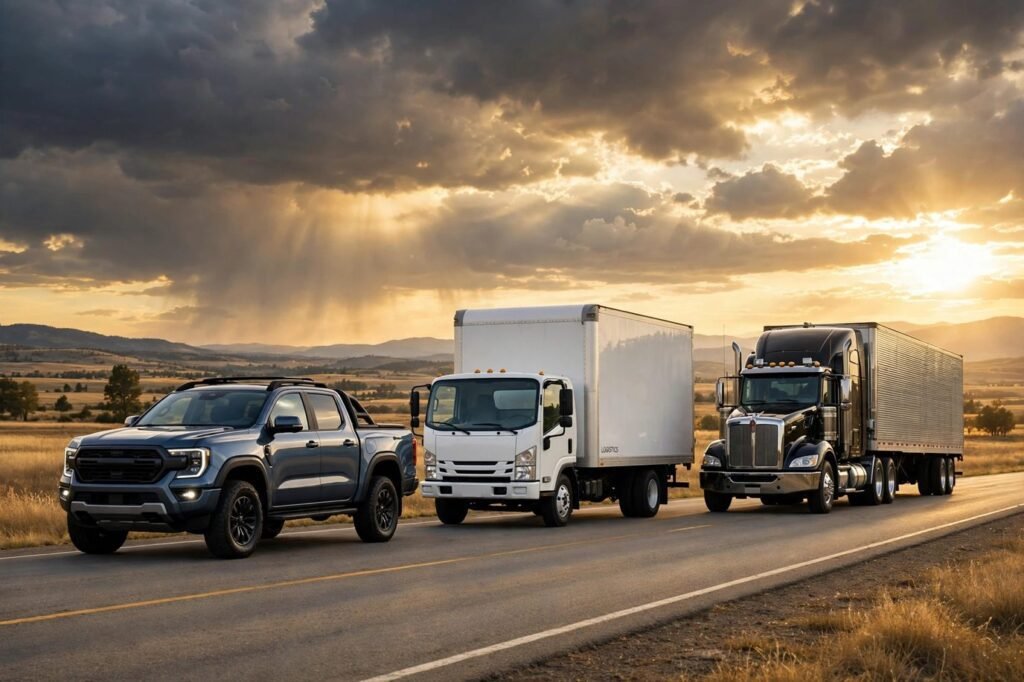
Type the word “truck” into a search box and you will get everything from a family pickup to an 18-wheeler hauling freight across a continent. That is because “truck” is not really one vehicle — it is an entire world of machines, each built for a different job. Whether you are shopping for a workhorse, a weekend hauler, or just trying to understand what all those letters and numbers on the tailgate mean, this guide walks you through the whole landscape: the types, the specs that matter, the costs nobody warns you about, and how to buy smart in 2026.
The short answer: A truck is a motor vehicle designed primarily to carry cargo rather than passengers. The main types are pickup trucks, semi trucks (tractor-trailers), box trucks, flatbed trucks, and dump trucks. If you are buying one, the specs that matter most are payload capacity, towing capacity, engine type, and drivetrain — and the costs that matter most are fuel, insurance, and maintenance, which together often exceed the purchase price over the truck’s lifetime.
What Exactly Counts as a Truck?
In everyday language, “truck” usually means a pickup — the Ford F-150s and Toyota Hiluxes of the world. But technically, the word covers any motor vehicle built to transport cargo, from a small utility pickup to a heavy-duty articulated lorry.
Regulators draw the lines more precisely. In the United States, the Federal Highway Administration classifies trucks by Gross Vehicle Weight Rating (GVWR) — the maximum total weight of the vehicle plus its cargo, fuel, and passengers:
| Class | GVWR Range | Typical Examples |
|---|---|---|
| Class 1 | 0–6,000 lbs | Small pickups, compact SUVs used as trucks |
| Class 2 | 6,001–10,000 lbs | Full-size pickups (F-150, Silverado 1500) |
| Class 3 | 10,001–14,000 lbs | Heavy-duty pickups (F-250, Ram 2500) |
| Class 4–6 | 14,001–26,000 lbs | Box trucks, large delivery trucks |
| Class 7–8 | 26,001 lbs and up | Semi trucks, dump trucks, concrete mixers |
That classification matters more than most buyers realize. Cross into Class 7 or 8 and you are in commercial territory: special licenses, regulated driving hours, and completely different insurance. For most personal buyers, Classes 1 through 3 are where the action is.
The Main Types of Trucks
Pickup Trucks
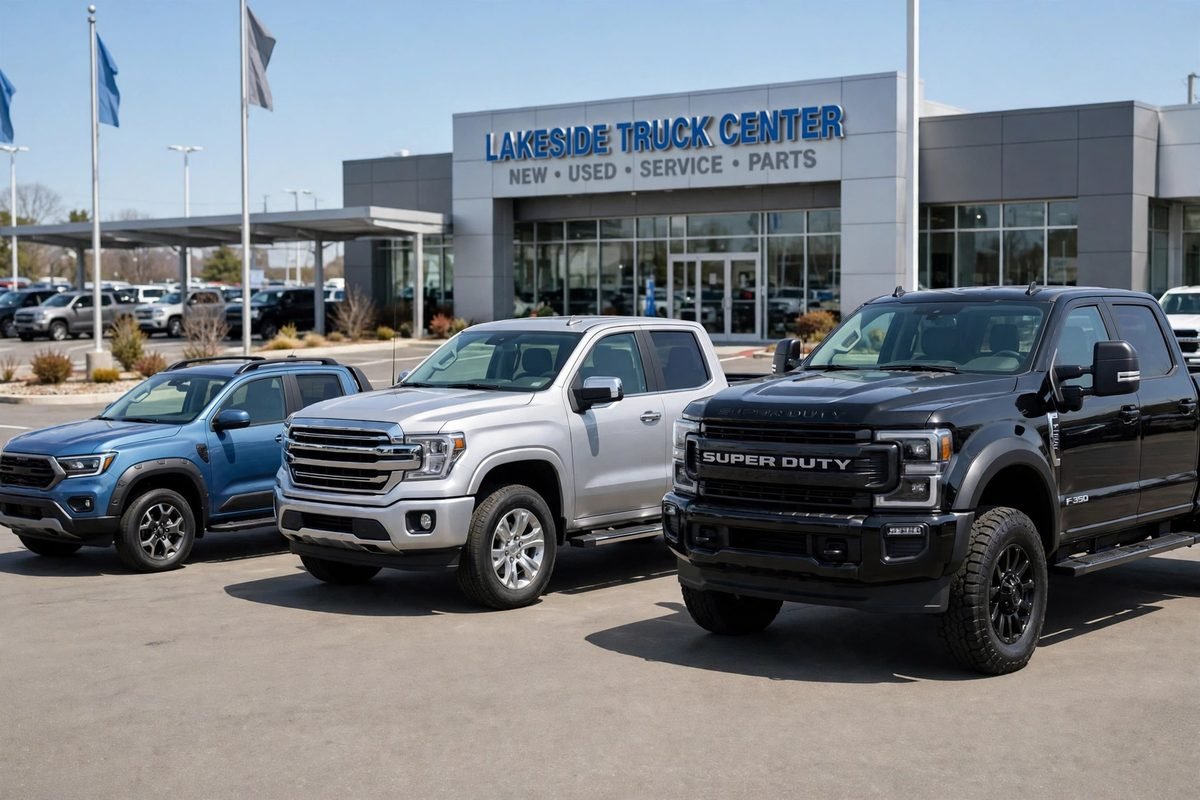
The pickup is the truck most people picture: an enclosed cab up front, an open cargo bed at the back. Pickups dominate the American market — the Ford F-Series has been the best-selling vehicle in the US for decades — and they split into three sizes:
- Midsize pickups (Toyota Tacoma, Ford Ranger, Chevrolet Colorado): easier to park, better fuel economy, towing usually up to around 7,000 lbs. The sensible choice if you want truck utility without full-size bulk.
- Full-size pickups (Ford F-150, Chevrolet Silverado 1500, Ram 1500): the default American truck. Towing up to roughly 11,000–14,000 lbs depending on configuration, beds from 5.5 to 8 feet, and cabins that are genuinely comfortable family transport.
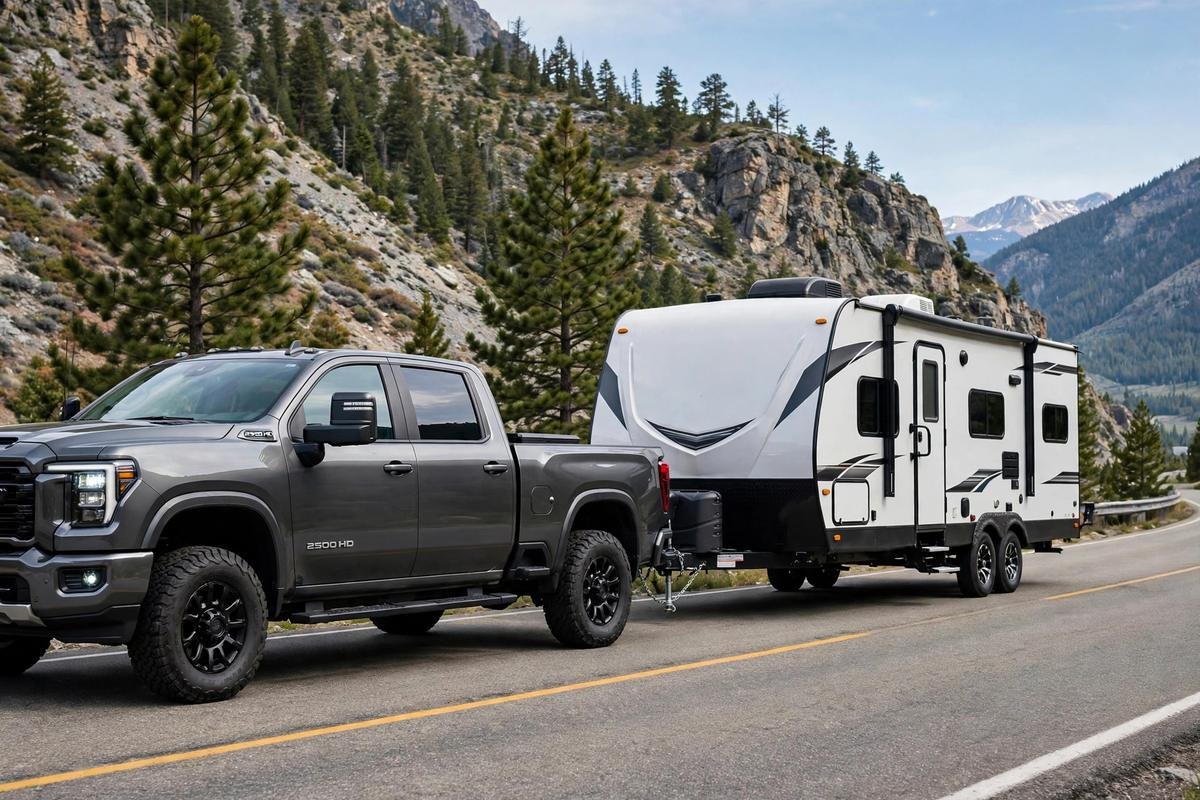
- Heavy-duty pickups (Ford F-250/F-350, Ram 2500/3500, Silverado 2500HD/3500HD): built for serious work. Diesel options, towing that can exceed 30,000 lbs with a gooseneck hitch, and payloads measured in tons rather than pounds. Overkill for most — exactly right for some.
Semi Trucks (Tractor-Trailers)
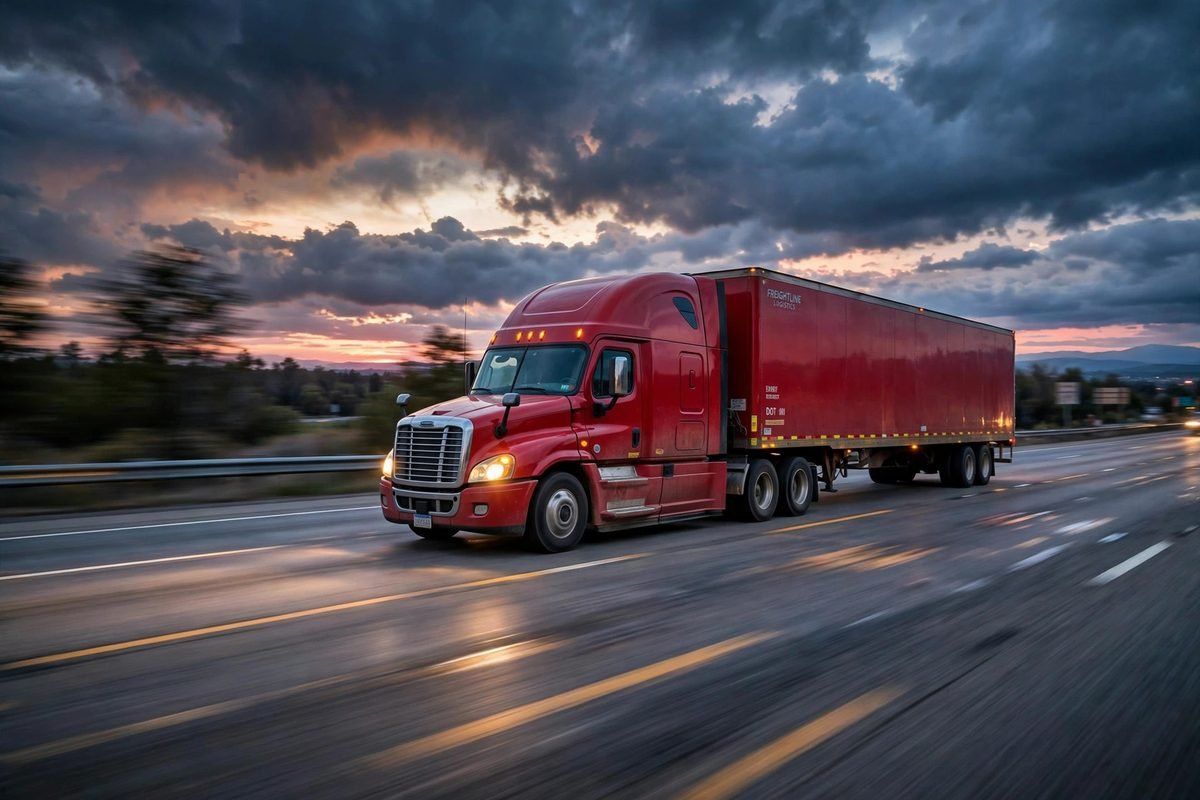
The semi — also called an articulated lorry, tractor-trailer, or big rig — is the heavyweight champion of road freight. It is actually two vehicles in one: the tractor unit (the part with the engine and cab) and the trailer it pulls, joined by a coupling called a fifth wheel.
A loaded Class 8 semi can weigh up to 80,000 lbs in the US, and the engine is almost always a large turbo-diesel making 400–600 horsepower with enormous torque — torque is what moves freight, and these engines are tuned for it. Semis are the backbone of overland logistics: in the United States, trucks move roughly three-quarters of all freight by weight.
Box Trucks
The box truck is the familiar delivery vehicle: a cab with a big rectangular cargo box mounted on the frame behind it. Rental companies like U-Haul and delivery fleets run on these. They typically fall into Classes 4–6, can often be driven on a regular license, and their enclosed, weatherproof cargo area makes them the default choice for moving house, local deliveries, and small-business logistics.
Flatbed Trucks
A flatbed is exactly what it sounds like: a truck with a flat, open cargo platform and no sides or roof. That openness makes loading easy with a forklift or crane, which is why flatbeds haul construction materials, machinery, lumber, and oversized loads. The trade-off is exposure — cargo needs tarps and serious tie-downs.
Dump Trucks
The dump truck’s bed tilts to unload loose material — gravel, sand, dirt, demolition debris. You will see them on every construction site. Heavy-duty versions are Class 8 vehicles; smaller ones work landscaping and residential jobs.
Tow Trucks and Specialty Trucks
Beyond the big categories there is a long tail of specialists: tow trucks (wreckers), fire trucks, cement mixers, garbage trucks, tanker trucks for liquids, and refrigerated trucks (“reefers”) for temperature-sensitive cargo. Each is essentially a truck chassis with a purpose-built body.
The Specs That Actually Matter
Truck listings throw a lot of numbers at you. Most of them are noise. These are the ones that decide whether a truck can do your job:
- Payload capacity — how much weight the truck itself can carry in the bed and cab, including passengers. This is the number people most often get wrong. A full-size pickup might offer 1,500–2,300 lbs of payload; exceeding it is unsafe and can void your warranty.
- Towing capacity — the maximum weight the truck can pull behind it. This depends heavily on configuration: engine, axle ratio, cab style, bed length, and drivetrain all change it. Always check the rating for the exact configuration you are buying, not the headline number in the advertisement.
- Engine and fuel type — gasoline engines cost less up front and suit lighter duty; diesels cost more but deliver the torque and longevity heavy work demands. Diesel trucks hold their value well in the used market, but modern diesels come with emissions equipment (DEF systems, particulate filters) that adds maintenance complexity.
- Drivetrain — two-wheel drive (usually rear-wheel) is cheaper and slightly more efficient; four-wheel drive adds capability in mud, snow, and off-road conditions at the cost of purchase price, weight, and fuel economy. For work trucks that leave pavement, 4WD is not optional.
- Bed length and cab style — the eternal trade-off. Crew cabs seat five or six comfortably but shorten the bed; regular cabs maximize bed length. An 8-foot bed swallows 4×8 sheets of plywood flat; a 5.5-foot bed does not.
| Spec | What It Means | Why It Matters |
|---|---|---|
| Payload | Weight the truck can carry | Overloading is dangerous and illegal |
| Towing | Weight the truck can pull | Must exceed your trailer’s loaded weight with margin |
| GVWR | Max total loaded weight | Determines license and regulation class |
| GCWR | Max combined truck + trailer weight | The real limit for towing setups |
| Axle ratio | Lower number = economy, higher = pulling power | Affects both towing and fuel economy |
Gasoline, Diesel, or Electric?
The powertrain question has gotten more interesting in recent years:
- Gasoline remains the default for personal-use pickups: lower purchase price, simpler maintenance, and perfectly adequate for towing up to moderate loads.
- Diesel dominates heavy-duty pickups and all commercial trucking: more torque, better fuel economy under load, and engines routinely lasting 300,000+ miles. The downsides are a higher purchase price, pricier fuel in some markets, and more complex emissions systems.
- Electric trucks have arrived — the Ford F-150 Lightning, Rivian R1T, Tesla Cybertruck, and Chevrolet Silverado EV are all on the road. They offer instant torque, low running costs, and a frunk (front trunk) where the engine used to be. The catch is range: towing a heavy trailer can cut an EV truck’s range dramatically, and charging infrastructure for towing setups is still thin. For local work and daily driving they are compelling; for long-haul towing, not yet.
The Real Cost of Owning a Truck
The sticker price is only the beginning. Before buying, budget honestly for the full cost of ownership:
- Fuel. Trucks are thirsty. A full-size gasoline pickup might return 15–22 mpg in real-world mixed driving; a heavy-duty diesel doing real work can drink far more. Over 15,000 miles a year, fuel alone can run several thousand dollars annually.
- Insurance. Trucks cost more to insure than equivalent cars — higher values, higher repair costs, and (for commercial use) commercial policies. Get quotes before you buy, not after.
- Tires. Truck tires are bigger, pricier, and wear faster — especially on heavy-duty and off-road setups. A set of quality all-terrain tires for a full-size pickup can cost well over a thousand dollars.
- Maintenance. More capability means more maintenance: heavier brakes, larger fluids, and on diesels, DEF refills and fuel-filter changes. Budget roughly 1.5–2× what you would spend maintaining a car.
- Depreciation. Here is the good news: trucks — especially full-size pickups — hold their value remarkably well. In many markets, a three-year-old pickup retains a far higher percentage of its original price than an equivalent sedan. That softens the total cost considerably if you buy sensibly and maintain the truck.
Buying a Truck: New vs. Used
Buy new if you need the full warranty, the latest safety tech, and exact configuration — and if you plan to keep the truck long enough for depreciation to flatten out. Fleet and work buyers often buy new because downtime is more expensive than depreciation.
Buy used if you want maximum value. A 3–5-year-old truck has already taken its biggest depreciation hit, and modern trucks are durable enough that 60,000–100,000 miles is barely broken in — particularly diesels. The used truck market is competitive, so prices stay high; that is bad for buyers but great for sellers.
Either way, the buying checklist is the same:
- Define the job first: what is the heaviest thing you will tow or haul, realistically?
- Choose the smallest truck class that does that job with a 15–20% safety margin.
- Verify the exact configuration’s payload and towing ratings — not the brochure headline.
- Get insurance quotes before signing anything.
- On used trucks: full service history, accident check, frame inspection for rust or damage, and a pre-purchase inspection by an independent mechanic. Always.
- Test drive with a load if possible — an empty truck tells you very little about how it behaves at work.
Truck Safety: What the Numbers Do Not Tell You
Trucks are bigger and heavier than cars, which protects their occupants in many collisions — but that same mass makes them harder to stop and maneuver. A few realities worth knowing:
- Braking distances are longer, especially when loaded. Following distances need to grow accordingly.
- Blind spots are larger — the area directly in front of a tall hood and behind a long bed can hide entire cars.
- Rollover risk is higher than in cars because of the higher center of gravity, particularly in older or lifted trucks.
- Modern driver aids (automatic emergency braking, blind-spot monitoring, trailer sway control, 360-degree cameras) genuinely help and are worth prioritizing on a new purchase.
The Future of Trucks
The truck world is changing fast. Electrification is moving from headline to reality in the pickup segment, hydrogen fuel-cell trucks are being tested for long-haul freight, and advanced driver-assistance systems are steadily reducing the skill gap for towing. Regulations on emissions are tightening in most major markets, which will push diesel technology further and accelerate the electric transition.
What will not change: the basic job. As long as things need to be built, moved, and delivered, there will be trucks — in all their classes, configurations, and glorious variety.
Frequently Asked Questions
What is the difference between a truck and a pickup?
A pickup is a type of truck — specifically, a light-duty truck with an enclosed cab and an open cargo bed. “Truck” is the broader category covering everything from pickups to 18-wheeler semis.
What does GVWR mean on a truck?
Gross Vehicle Weight Rating: the maximum total weight of the vehicle plus everything in it — cargo, passengers, fuel, and accessories. Exceeding it is unsafe and can have legal consequences.
How much can a typical pickup truck tow?
A midsize pickup usually tows up to about 7,000 lbs; a full-size gasoline pickup up to roughly 11,000–14,000 lbs depending on configuration; a heavy-duty diesel pickup with a gooseneck hitch can exceed 30,000 lbs. Always check the rating for your exact configuration.
Are diesel trucks worth it?
For heavy towing, high annual mileage, or commercial use — usually yes, thanks to torque, fuel economy under load, and longevity. For light personal use, the higher purchase price and maintenance complexity often outweigh the benefits.
What is the most popular truck in the world?
The Ford F-Series (primarily the F-150) has been the best-selling vehicle line in the United States for decades and is among the best-selling vehicles globally.
Should I buy a new or used truck?
Used trucks typically offer better value because the steepest depreciation happens in the first few years — but the used truck market is competitive, so prices stay relatively high. Buy new if you need the warranty and exact configuration, or plan to keep the truck for a decade.
What license do I need to drive a truck?
In most countries, a standard driving license covers pickups and light box trucks up to a certain weight (e.g., up to 26,000 lbs GVWR in the US). Heavier commercial trucks require a commercial license (CDL in the US) with the appropriate endorsements.
Read Also: How Many Galaxies Are in the Universe? (2026 Guide): The Real Number Explained Simply
For a different kind of deep dive — into culture, tech and the stories shaping 2026 — themodernpost.co.uk is worth a look alongside your truck research.

1 Comment