Neptune Distance Sun: Amazing Facts About 30.1 AU Explained Simply
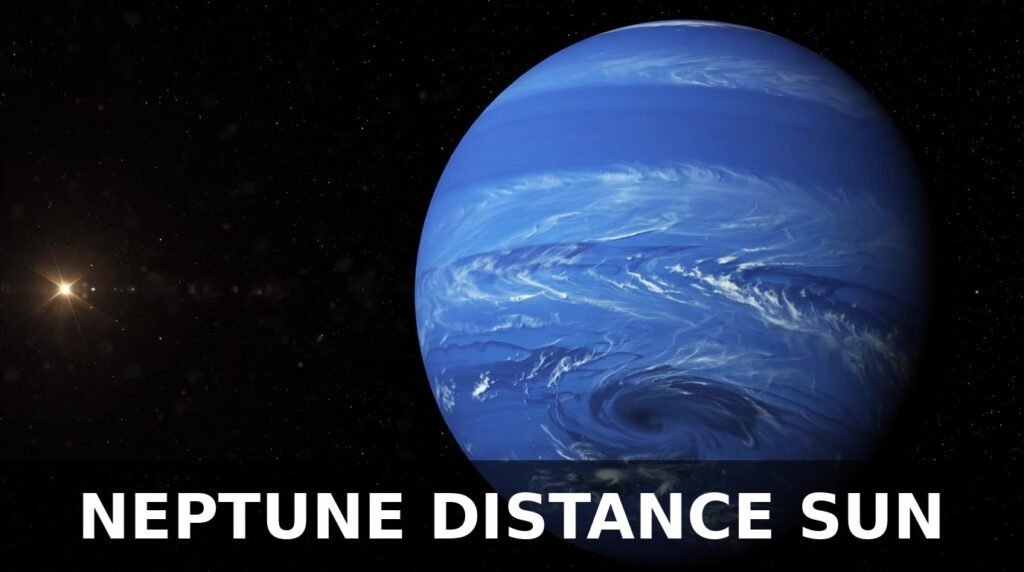
Neptune is about 4.5 billion kilometres from the Sun — 30.1 AU away — with a 164.8-year orbit, four-hour sunlight, supersonic winds and a discovery made by maths.
Explore our collection of authoritative, peer-referenced guides covering space science, planetary geology, stellar death, black holes, stargazing field manuals, and telescope optics.
Neptune is about 4.5 billion kilometres from the Sun — 30.1 AU away — with a 164.8-year orbit, four-hour sunlight, supersonic winds and a discovery made by maths.
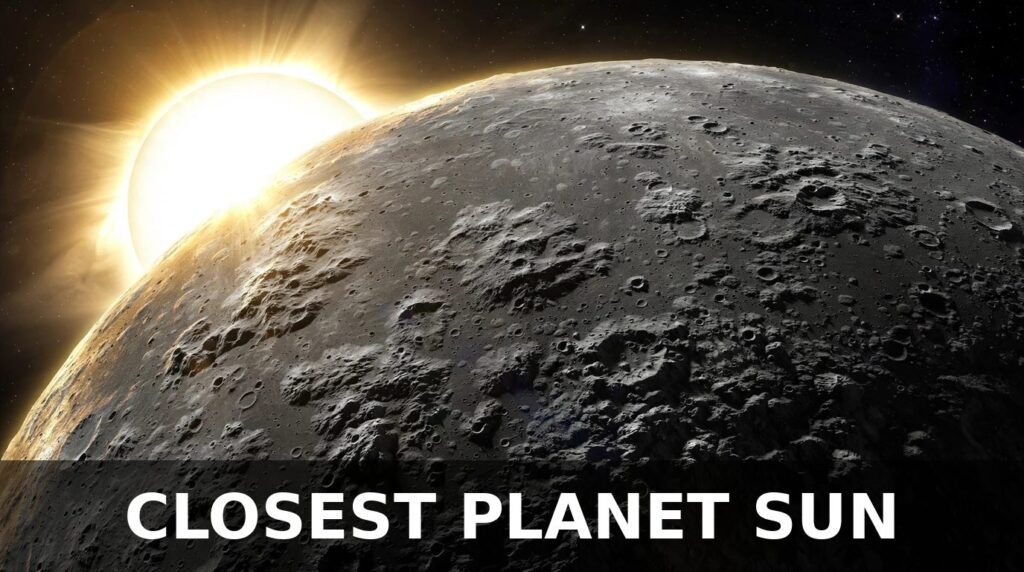
Mercury is the closest planet to the Sun, orbiting at just 57.9 million km in only 88 Earth days. Discover its extreme orbit, scorching days, freezing nights, and the missions that explored it.
What is the color of Jupiter? Cream, tan and rusty-orange bands made by ammonia clouds and trace chemicals — plus the Great Red Spot. Here's the full picture.
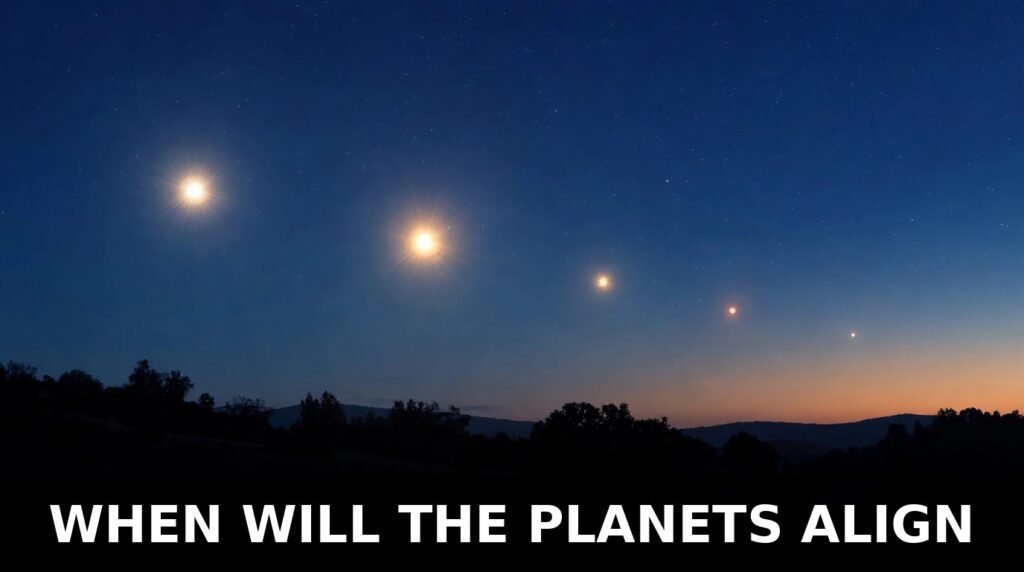
When will the planets align next? The November 2026 parade runs until November 28 — here are the exact 2027 dates, which planets you will see, and how to watch.
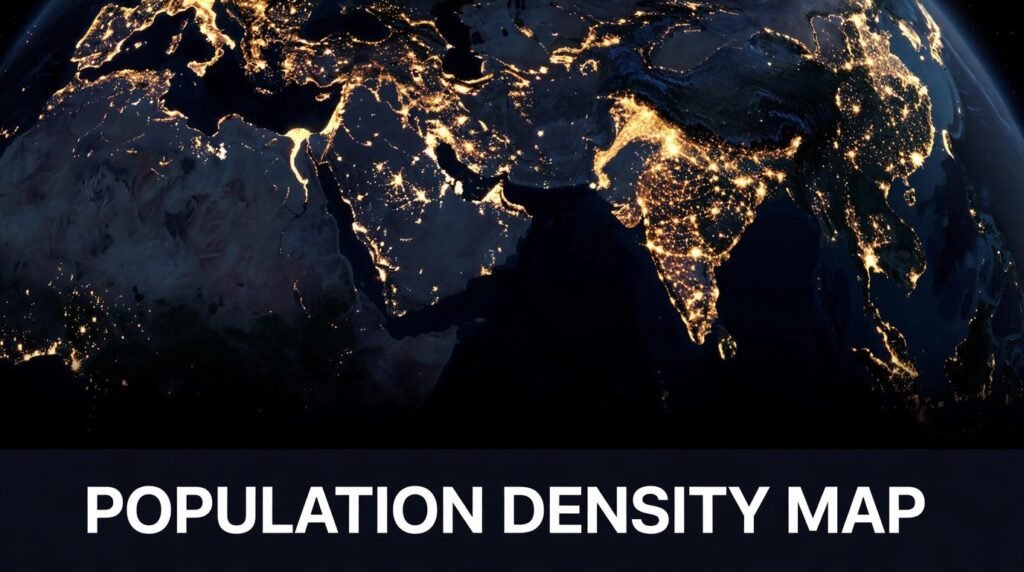
A population density map turns raw headcounts into a picture you can read at a glance — here is what the colours mean, how the data is made, and how to use one without being misled.
The Alien Covenant cast is led by Michael Fassbender in two roles and Katherine Waterston as Daniels. Here is every main actor, the character they play, and what happens to them.
A globe shows Earth as it really is, while every flat map has to stretch or squeeze something. Here is how the two compare, which map projections distort what, and how to read any world map without being misled.
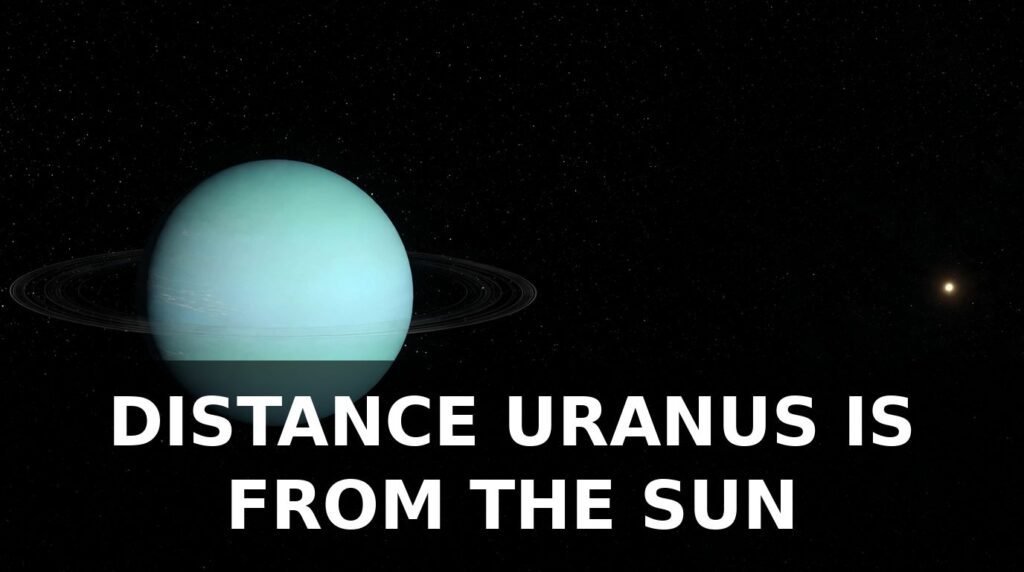
Uranus orbits the Sun at an average distance of about 19.2 astronomical units, or 2.87 billion kilometres. That vast gap shapes everything about the planet, from its freezing temperatures to its 84-year-long seasons.
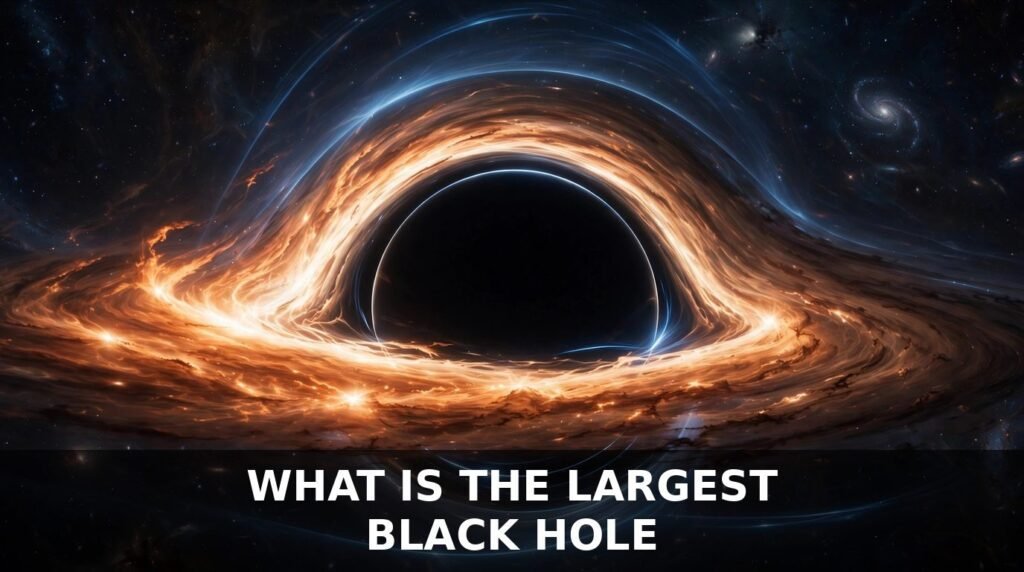
TON 618 holds the record for the largest measured black hole at up to 66 billion times the mass of the Sun, though Phoenix A may be even bigger. This guide explains how astronomers weigh these monsters and why the ranking is still unsettled.
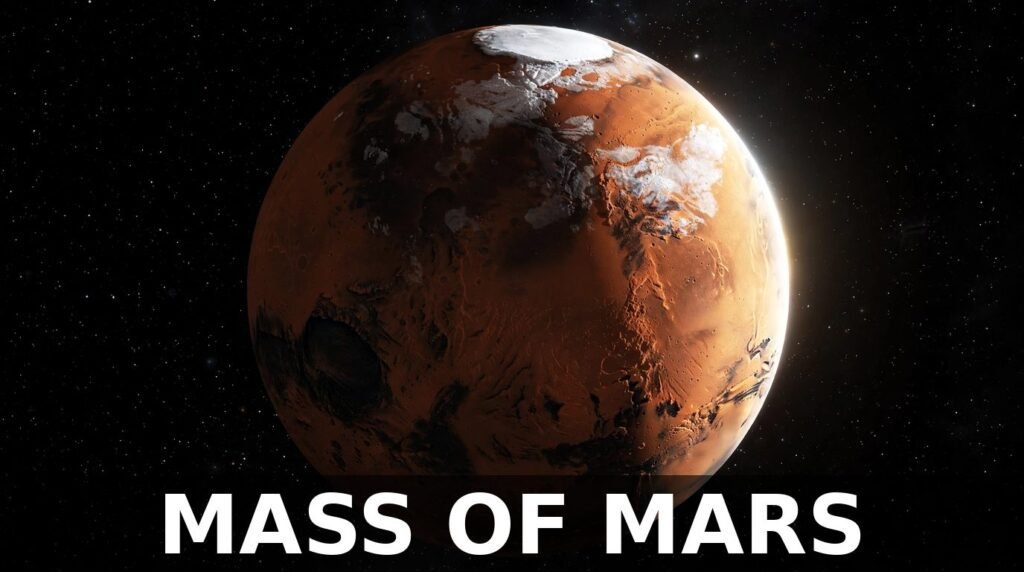
Mars weighs 6.4171 × 10^23 kilograms, roughly 11% of Earth's mass. That single number explains the planet's weak gravity, thin air, and why standing on Mars would feel so different.