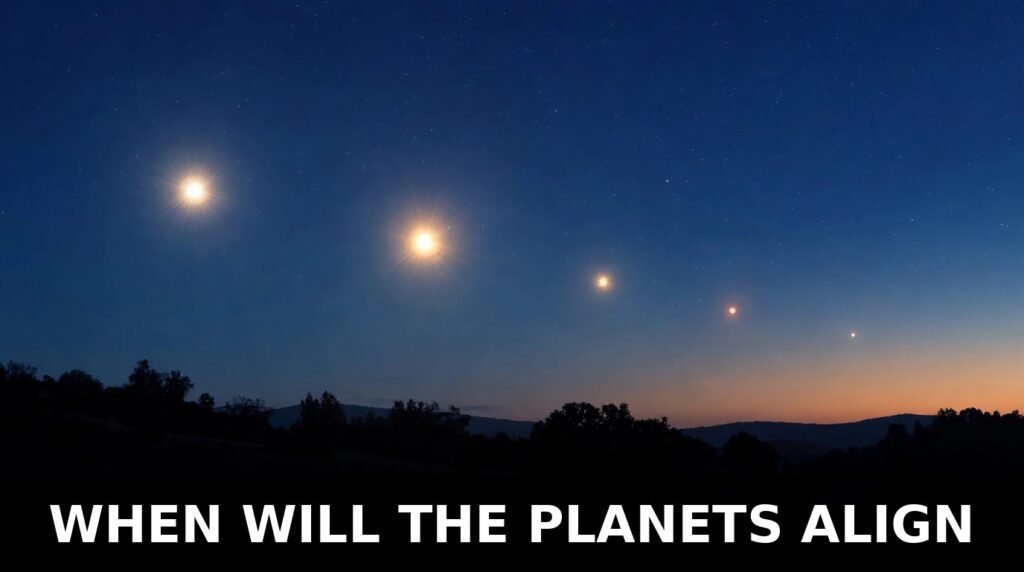
When will the planets align next? The November 2026 parade runs until November 28 — here are the exact 2027 dates, which planets you will see, and how to watch.
A population density map turns raw headcounts into a picture you can read at a glance — here is what the colours mean, how the data is made, and how to use one without being misled.
Sunlight is white, not yellow. It only looks yellow from the ground because Earth's atmosphere scatters blue light out of the direct beam. Here is why the Sun changes colour through the day — and what it really looks like from space.
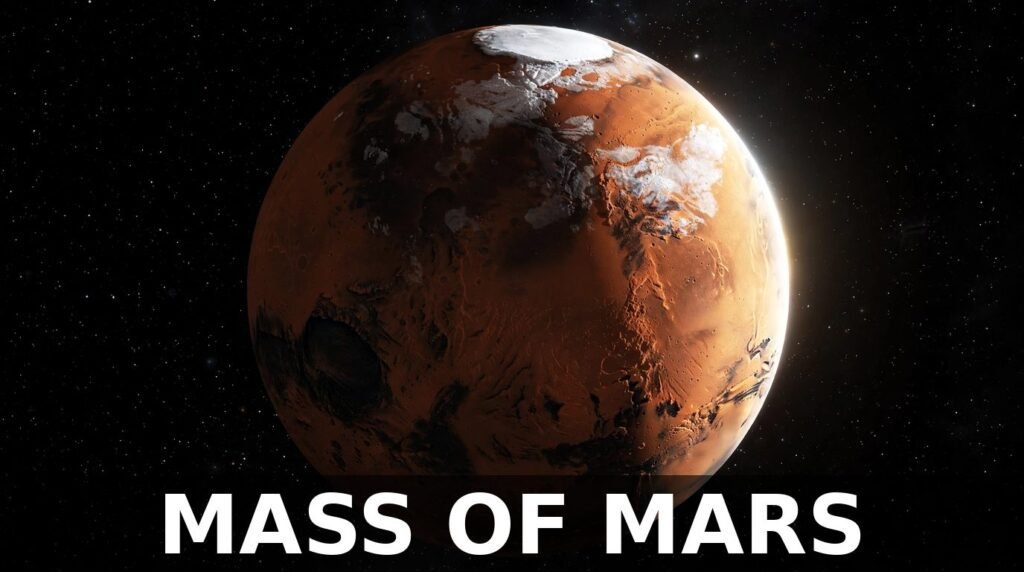
Mars weighs 6.4171 × 10^23 kilograms, roughly 11% of Earth's mass. That single number explains the planet's weak gravity, thin air, and why standing on Mars would feel so different.
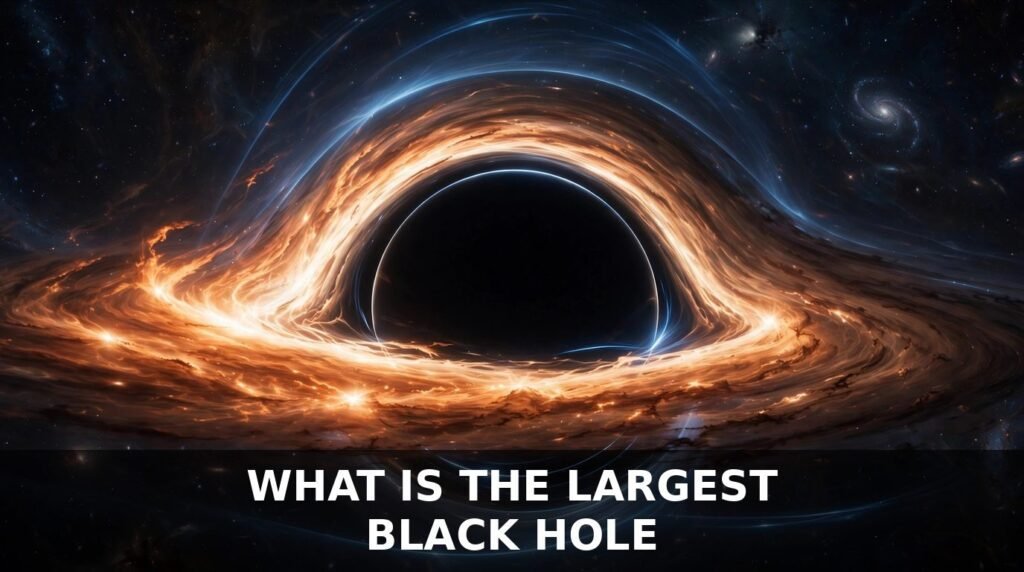
TON 618 holds the record for the largest measured black hole at up to 66 billion times the mass of the Sun, though Phoenix A may be even bigger. This guide explains how astronomers weigh these monsters and why the ranking is still unsettled.
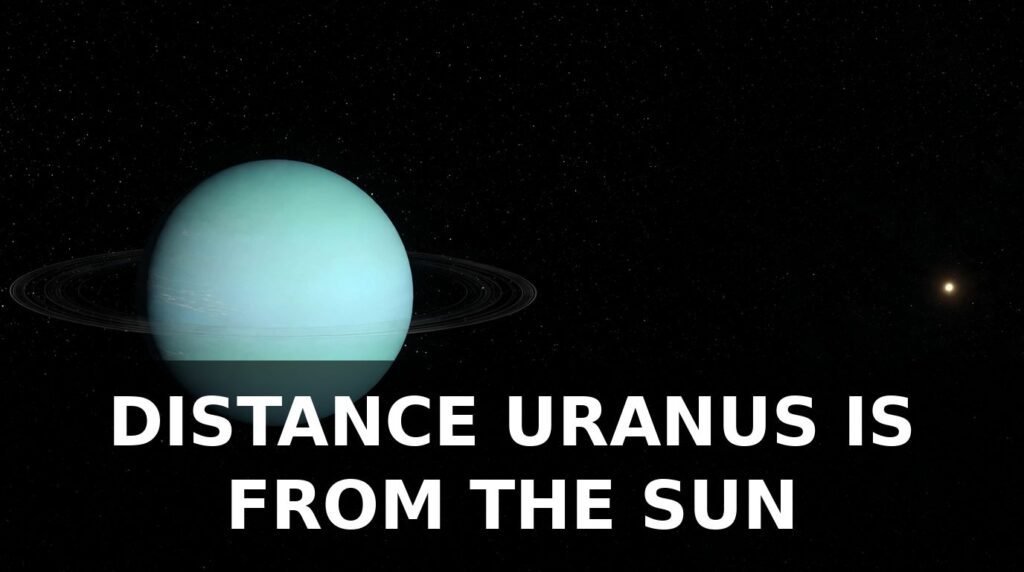
Uranus orbits the Sun at an average distance of about 19.2 astronomical units, or 2.87 billion kilometres. That vast gap shapes everything about the planet, from its freezing temperatures to its 84-year-long seasons.
The Alien Covenant cast is led by Michael Fassbender in two roles and Katherine Waterston as Daniels. Here is every main actor, the character they play, and what happens to them.
A globe shows Earth as it really is, while every flat map has to stretch or squeeze something. Here is how the two compare, which map projections distort what, and how to read any world map without being misled.
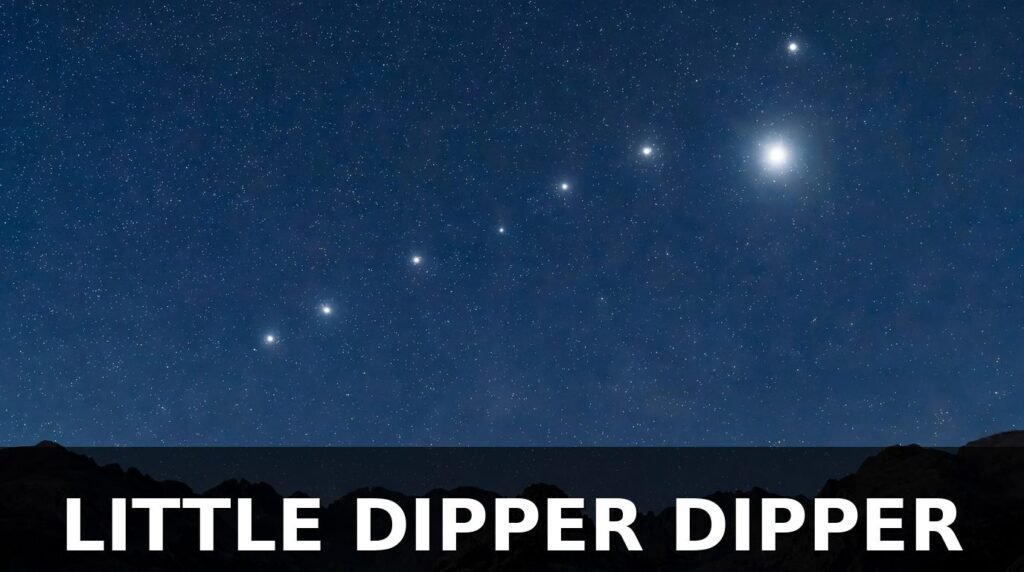
The Little Dipper is a small, faint seven-star pattern in the constellation Ursa Minor, and it ends at Polaris, the North Star. Here is what each of its stars is, how to find the pattern from the Big Dipper, and the best way to see it.
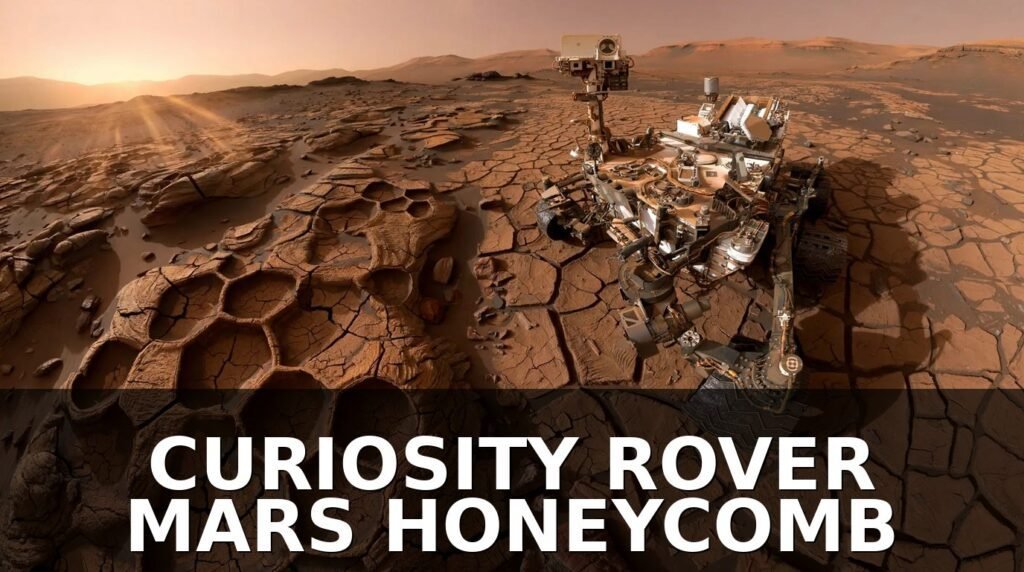
In June 2026, NASA's Curiosity rover drove into a valley floor tiled edge to edge in honeycomb-shaped cracks — the largest field of its kind the rover has seen in 14 years on Mars. Here is what the pattern is, how it likely formed, and why scientists still have not settled on one answer.
Awais is the founder, chief administrator, and lead science curator of Astronomy 101 (astronomy101.co.uk). Dedicated to making space science and astronomical observing accessible to learners worldwide, Awais oversees the research, computational tools, and editorial integrity of all publications across the platform.
Official Email: osageneral3@gmail.com
Stay Curious About the Cosmos
Get our latest 1,500-word explainers, monthly celestial calendars, and meteor shower alerts delivered to your inbox.
Zero promotional spam. Unsubscribe anytime. Verified scientific dispatches only.