
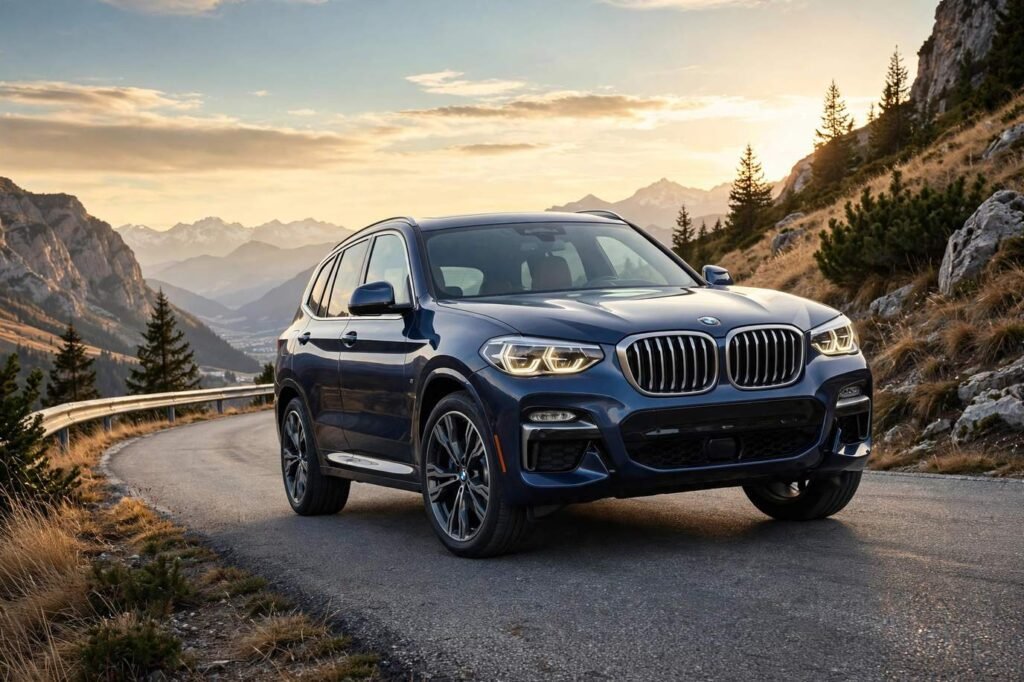
The BMW X3 has spent two decades as the sensible answer to a very good question: what if you want a proper BMW — the steering feel, the straight-six option, the badge — but you also need room for a family, a dog, and a weekend’s worth of luggage? Now in its fourth generation (codenamed G45), the X3 has grown bolder in looks, smarter in tech, and more efficient under the skin. This guide covers everything: the trims, the real prices, how it drives, what it costs to run, and how it stacks up against its rivals.
The short answer: The 2026 BMW X3 is a compact luxury SUV starting around $50,900, available in two trims — the 30 xDrive (255-hp turbo four, 0–60 in 6.0 seconds) and the M50 xDrive (393-hp turbo six, 0–60 in 4.4 seconds). Both use 48-volt mild-hybrid assistance, an 8-speed automatic, and standard all-wheel drive. It remains the driver’s choice in its class, with strong cargo space and tech, though running costs are firmly premium.
A Quick History: Four Generations of X3
The X3 invented the compact luxury SUV segment when the first generation (E83) arrived in 2003 — before rivals even knew the segment existed. The second generation (F25, 2010) refined the formula, and the third (G01, 2017) became a global bestseller, praised for balancing comfort and sportiness.
The fourth generation (G45), launched for the 2025 model year, is the first to go all-mild-hybrid in its core lineup and the first to run BMW’s iDrive 9 infotainment. It is also — controversially for some fans — the first X3 generation with no diesel option in most markets and no plug-in hybrid at launch. The 2026 model year carries the G45 forward with minor changes.
2026 BMW X3 Trims and Prices
BMW keeps the lineup simple: two trims, each with its own engine. All-wheel drive (xDrive) is standard on both, as is the 8-speed automatic transmission.
| Trim | Engine | Power | 0–60 mph | Starting MSRP (approx.) |
|---|---|---|---|---|
| 30 xDrive | 2.0L turbo inline-4, 48V mild hybrid | 255 hp / 295 lb-ft | 6.0 sec | ~$50,900 |
| M50 xDrive | 3.0L turbo inline-6, 48V mild hybrid | 393 hp / 428 lb-ft | 4.4 sec | ~$65,900 |
Destination charges and popular option packages push real-world transaction prices higher — a well-equipped 30 xDrive typically lands in the high $50,000s, while a loaded M50 can approach $75,000. Independent pricing guides suggest buyers are currently paying roughly $1,000–$1,500 under sticker, depending on trim and region.
Which Trim Should You Buy?
The 30 xDrive is the rational choice and the one most buyers should pick. Its 255-horsepower turbo four is smooth, genuinely quick (6.0 seconds to 60 mph is hot-hatch territory from a decade ago), and returns up to 29 mpg combined — excellent for a premium SUV of this size. Unless you crave serious pace, it does everything the X3 promises.
The M50 xDrive is the emotional choice — and a compelling one. This is not just a tuned-up four-cylinder; it is a proper 3.0-liter inline-six with 393 hp and 428 lb-ft, plus hardware the 30 cannot get at any price: adaptive M suspension, an M Sport differential, and M Sport brakes. At 4.4 seconds to 60 mph, it embarrasses many sports sedans. Fuel economy drops to 27 mpg combined on required premium fuel — a fair trade for what you get.
Engines and Performance in Detail
Both engines pair a turbocharged gasoline engine with a 48-volt mild-hybrid system. A quick note on what “mild hybrid” means here: unlike a plug-in hybrid, there is no charging, no electric-only range, and no tax credit. The 48V system adds a belt-driven starter-generator that smooths stop-start operation, recovers braking energy, and provides a small electric torque fill. The benefit is refinement and a modest efficiency gain, not electrified driving.
The 8-speed automatic is a conventional torque-converter unit — not a dual-clutch — and it remains one of the best in the business: quick, smooth, and nearly invisible in daily driving. In the M50, it gains sharper shift logic and launch control.
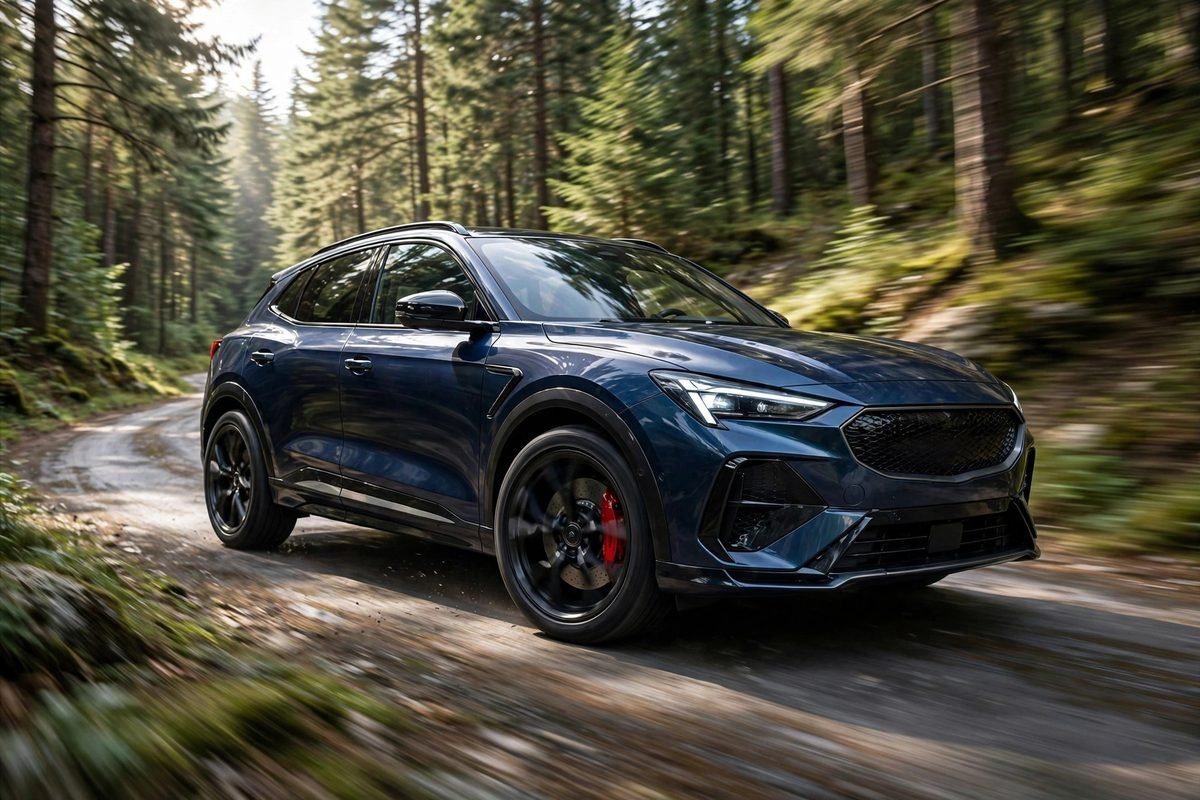
Out on the road, the X3’s defining trait is intact: it drives like a BMW. Steering is precise and nicely weighted, body control is excellent for an SUV, and the chassis feels rear-biased in the way enthusiasts love — even though xDrive sends power to all four wheels. The M50 adds genuine excitement; the 30 xDrive adds something almost as valuable, which is composure. Neither trim feels like a compromise.
Fuel Economy: The Real Numbers
EPA ratings for the 2026 X3:
- 30 xDrive: 27 mpg city / 33 mpg highway / 29 mpg combined
- M50 xDrive: 25 mpg city / 30 mpg highway / 27 mpg combined
Those are strong figures for the class — the 30 xDrive’s 29 mpg combined beats most rivals’ four-cylinder offerings. Real-world results track close to the EPA numbers in mixed driving; heavy-footed M50 drivers will, predictably, see less. Both engines require premium fuel, so factor that into running costs.
Interior, Tech, and Cargo
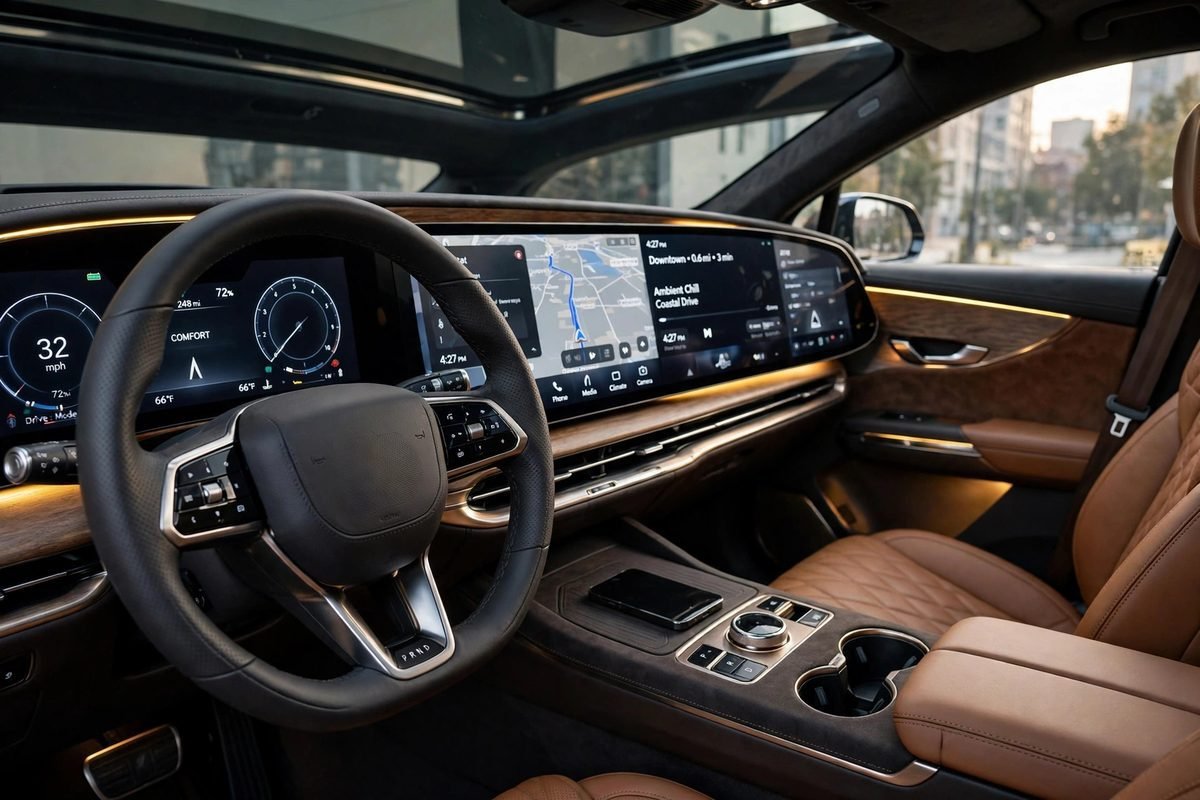
Step inside the G45 and the generational leap is obvious. The dashboard is dominated by BMW’s curved display — a single sweeping panel housing the digital instrument cluster and a 14.9-inch touchscreen running iDrive 9. Wireless Apple CarPlay and Android Auto are standard, and the system is fast and logically laid out, though the migration of climate controls into the touchscreen will annoy drivers who liked physical buttons.
Material quality is a genuine strength: soft-touch surfaces where your hands land, solid switchgear, and an overall sense of precision that justifies the premium badge. The M50 adds sport seats and M-specific trim that lift the cabin further.
Space is generous for the class. Five adults fit comfortably, rear legroom is ample, and cargo capacity — 31.5 cubic feet behind the rear seats, expanding to about 67 cubic feet with the seats folded — beats key rivals like the Mercedes-Benz GLC and Genesis GV70. The load floor is flat, the tailgate is powered, and a 40/20/40 split rear seat adds versatility.
Safety and Driver Assistance
Standard safety equipment includes forward collision warning with automatic emergency braking, blind-spot monitoring, lane-keeping assist, front and rear parking sensors, and automatic high beams. The X3 has historically performed well in crash testing, and the G45’s rigid structure continues that tradition.
Two option packages are worth knowing about:
- Premium Package (~$3,450): adds a surround-view camera, Parking Assistant Plus, adaptive cruise control (Driving Assistant Plus), an interior camera, and a drive recorder.
- Driving Assistance Professional Package (~$1,700): adds highway hands-free driving up to 40 mph, active lane-change assist, and traffic-jam assist.
If you spend a lot of time on motorways, the Professional package is money well spent. Around town, the standard kit plus the Premium package’s cameras cover nearly everything.
Towing and Practicality
The X3 is more capable than its urban-luxury image suggests. Properly equipped, the 30 xDrive can tow up to about 4,000 lbs and the M50 up to 4,850 lbs — enough for a small boat, a pair of jet skis, or a modest camper trailer. Trailer sway control is integrated into the stability systems. Roof rails are available for bikes, kayaks, and cargo boxes, and the xDrive all-wheel-drive system handles snow and light off-road duty with confidence.
Running Costs: The Honest Math
A BMW X3 costs more to run than a mainstream SUV — that should surprise nobody, but the details matter:
- Fuel: premium gasoline only; budget using the EPA figures above and your local premium prices.
- Maintenance: BMW includes 3 years/36,000 miles of scheduled maintenance in the US. After that, services are pricier than mainstream brands — budget accordingly, and consider that independent BMW specialists often charge significantly less than dealers.
- Tires: staggered performance fitments on the M50 wear faster and cost more; the 30 xDrive’s tires are more reasonable.
- Insurance: typical for the luxury compact SUV class — get quotes before buying.
- Reliability: independent data (e.g., RepairPal) rates the X3 around average for the class, with annual repair costs above the segment average. The B-series engines in the G45 are proven designs, but complexity costs money when things do break.
- Resale: strong. The X3 has historically held its value well — comfortably better than the class average — which significantly softens the total cost of ownership.
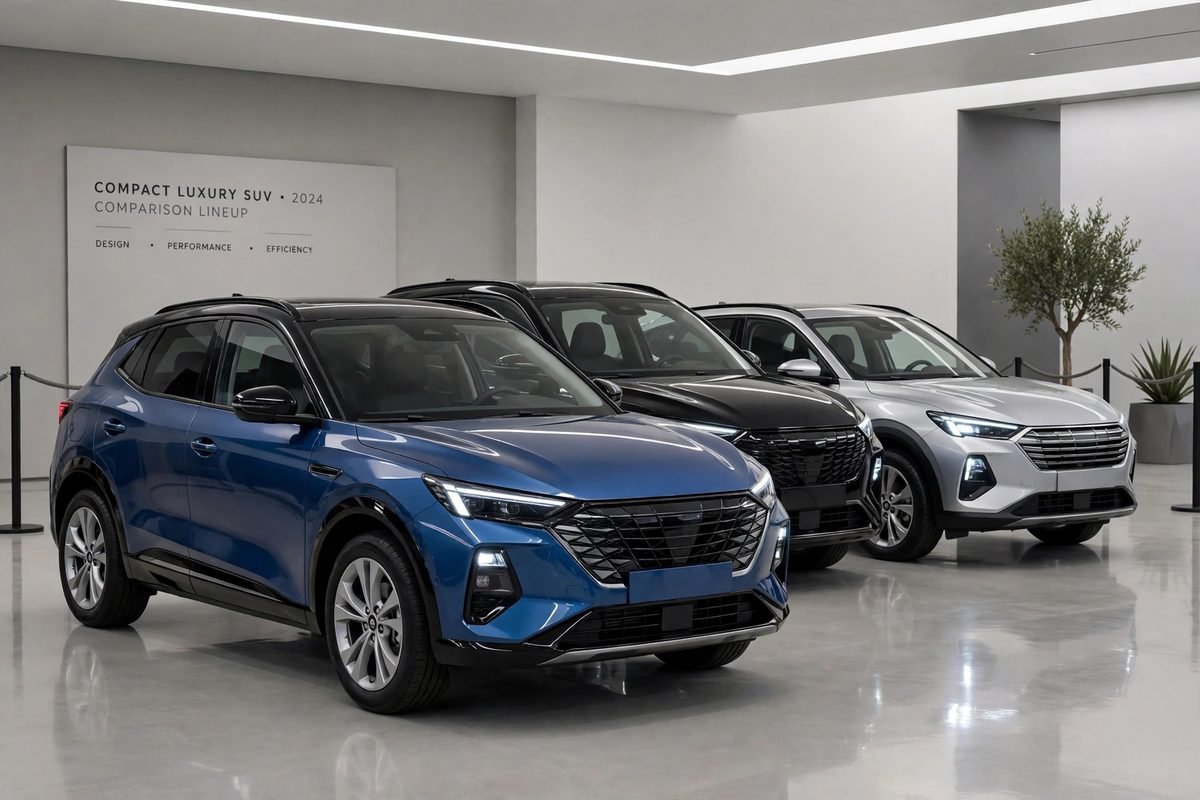
BMW X3 vs. The Rivals
| Model | Starting Price (approx.) | Key Strength | Key Weakness |
|---|---|---|---|
| BMW X3 | ~$50,900 | Driving dynamics, cargo space | Premium running costs |
| Mercedes-Benz GLC | ~$49,000 | Interior luxury, badge prestige | Less engaging to drive, smaller cargo area |
| Audi Q5 | ~$45,000 | Value, refined interior | Aging platform, less sporty |
| Genesis GV70 | ~$46,000 | Features-per-dollar, warranty | Smaller cargo area, less established resale |
| Lexus RX | ~$50,000 | Reliability, hybrid efficiency | Dull handling, less cargo space |
| Volvo XC60 | ~$44,000 | Safety, Scandinavian design | Less sporty, aging infotainment |
| Porsche Macan | ~$60,000+ | Sportiness | Smaller, much pricier |
The X3’s unique selling point remains the drive: no rival combines this level of handling with this much practicality at this price. If driving enjoyment ranks high on your list, the X3 is the default choice. If maximum reliability or lowest running costs matter more, the Lexus RX deserves a long look.
Common Complaints and Things to Watch
No car is perfect, and honest reviews mention a few recurring X3 gripes:
- Touchscreen-heavy controls: iDrive 9 moved many functions — including climate — into the screen. Fans of physical buttons will grumble.
- Firm ride on big wheels: the M50 with large wheels and sport suspension can feel busy on poor surfaces. The 30 xDrive on smaller wheels rides better.
- Options add up fast: the base price is competitive, but a well-equipped X3 climbs quickly. Price the car with the packages you actually want before comparing rivals.
- No plug-in hybrid (yet): buyers wanting electrified commuting without going full EV currently have to look elsewhere — though BMW’s history suggests a plug-in X3 may return.
None of these are dealbreakers, but all are worth knowing before you sign.
The Verdict: Should You Buy a BMW X3 in 2026?
Yes — with the usual premium-SUV caveats. The fourth-generation X3 is the most complete version yet: genuinely fun to drive, spacious and practical, efficient for its class, and loaded with tech. The 30 xDrive is the smart buy for most people; the M50 xDrive is one of the great sleepers in the segment — sports-car pace in a family SUV wrapper.
Buy it if you want the best-driving compact luxury SUV and accept premium running costs. Look at the Lexus RX instead if bulletproof reliability and low costs matter more than driving pleasure. Either way, drive the X3 first — it has a way of settling the argument.
Before you decide, spend time in both trims — the 30 xDrive suits most families perfectly well, while the M50 rewards drivers who will actually use the extra pace. Bring your must-have options list to the dealership so the price you compare is the price you’d actually pay. Cross-shop the GLC and Q5 back to back with the X3 on the same day, when impressions are fresh. The right SUV usually picks itself after one good test drive.
Frequently Asked Questions
How much does a 2026 BMW X3 cost?
Starting MSRP is around $50,900 for the 30 xDrive and around $65,900 for the M50 xDrive, before destination charges and options. Real-world transaction prices for well-equipped examples run higher.
What is the difference between the X3 30 xDrive and M50 xDrive?
The 30 xDrive uses a 255-hp turbo four-cylinder; the M50 uses a 393-hp turbo six-cylinder plus exclusive hardware (adaptive M suspension, M Sport differential, M Sport brakes). The M50 hits 60 mph in 4.4 seconds versus 6.0 for the 30.
Is the BMW X3 reliable?
Independent reliability data rates it around average for the luxury compact SUV class, with above-average repair costs. The engines are proven designs, and resale values are strong.
Does the 2026 BMW X3 come as a hybrid?
Both trims use 48-volt mild-hybrid assistance, which improves refinement and efficiency but offers no electric-only driving or plug-in charging. There is currently no plug-in hybrid X3 in the G45 generation.
How much can a BMW X3 tow?
Up to about 4,000 lbs for the 30 xDrive and up to 4,850 lbs for the M50 xDrive when properly equipped.
Is the BMW X3 bigger than the X1?
Yes — the X3 sits one class above the X1, with more passenger space, significantly more cargo room (31.5 vs ~27 cu ft), and more powerful standard engines.
BMW X3 vs Mercedes GLC: which is better?
The X3 is the better driver’s car with more cargo space; the GLC counters with a more luxurious cabin ambiance. Drive both — the choice usually comes down to whether you prioritize handling or interior opulence.
Read Also: Truck (2026 Guide): Types, Buying Tips, Specs & Costs Explained Simply
If car culture is your thing beyond the spec sheets, dailyscope67.com covers the wider world of tech, culture and 2026 trends worth browsing.

3 Comments