
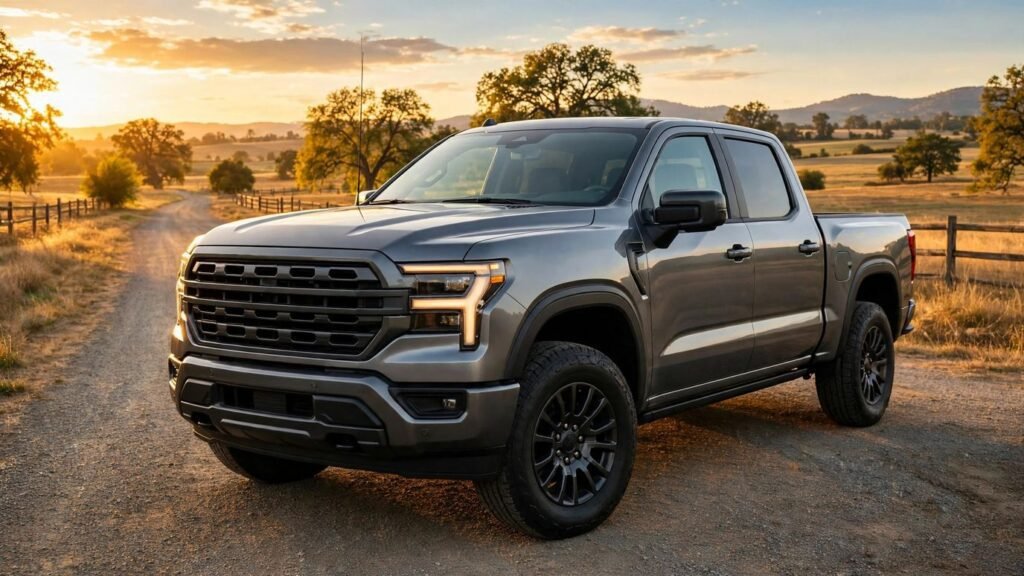
Walk into any truck dealership and you will feel it right away: the sheer size, the smell of new leather, the salesperson already talking about monthly payments. Buying a full-size pickup is exciting, but it is also easy to get overwhelmed. The Ram 1500 sits right in the middle of that excitement. It is one of America’s best-selling trucks, and for good reason. It can tow a camper, haul lumber, carry the whole family, and still feel calm on a Monday morning commute.
So what should you actually know before you buy one? This guide skips the jargon and the sales talk. You will learn how the trims differ, what the engine choices mean in real life, how towing really works, and what ownership costs to expect. By the end, you will know which version of the Ram 1500 fits your life — and which ones you can happily ignore.
The short answer: The Ram 1500 is a full-size pickup that pairs serious work capability with one of the most comfortable cabins in its class. Most buyers will be happiest with a mid-level trim, a V8 or turbocharged six-cylinder engine, and a crew cab. Before you sign anything, compare trims on comfort and towing equipment — not just on sticker appeal — and confirm current specs and pricing with a dealer, since both change often.
What Is the Ram 1500?
The Ram 1500 is Ram’s full-size, light-duty pickup truck. Think of it as the everyday workhorse of the lineup: bigger and stronger than a midsize truck, but easier to live with day to day than a heavy-duty model built for commercial towing.
It comes in several cab and bed combinations. The most common setup is a crew cab, which gives you four full doors and a genuinely roomy back seat. Adults can sit in the back without folding themselves in half, and child seats fit without a fight. Shorter beds make parking easier, while longer beds suit people who regularly carry long loads.
Underneath, the Ram 1500 uses a coil-spring rear suspension rather than the leaf springs found on many rivals. That single engineering choice is a big part of why this truck rides so smoothly. It still handles heavy loads, but it does not punish you with a bouncy, jittery ride when the bed is empty.
You can also choose between rear-wheel drive and four-wheel drive. Rear-wheel drive costs less and suits drivers who mostly stay on pavement in mild climates. Four-wheel drive adds traction for snow, mud, gravel, and boat ramps, and it is the safer bet if you deal with rough winters or off-road weekends.
Ram 1500 Trim Levels Explained
Trims are where most buyers get confused, because the names sound similar but the equipment can differ a lot. Here is the lineup in plain terms, from work-focused to luxury.
- Base work truck: Simple, durable, and affordable. Cloth seats, smaller wheels, and basic tech. Perfect if the truck is a tool first and a family car second.
- Mid-level trims: The sweet spot for most people. You get a bigger touchscreen, better materials, more comfort features, and nicer styling. This is where most families and daily drivers should start shopping.
- Sporty street trims: Bold looks, blacked-out details, and a more aggressive stance. These are about style and road presence rather than off-road ability.
- Off-road trims: Raised suspension, tougher tires, skid plates, and drive modes for sand, mud, and rocks. Choose one only if you genuinely leave the pavement often.
- Luxury trims: Leather everywhere, real wood or metal trim, a premium sound system, and advanced driver aids. These trucks feel closer to a luxury SUV than a work truck — and they are priced that way.
A useful rule: buy the trim for the life you actually live, not the life you imagine twice a year. A luxury trim is wonderful, but a mid-level truck with a few well-chosen options often gives you nearly the same daily experience for far less money.
How to Compare Trims Without a Spreadsheet
Start with three questions. First, how many people ride with you regularly? That decides your cab size. Second, what do you tow or haul? That decides your engine and towing package. Third, how much time do you spend inside the truck? Long commuters should prioritize seat comfort, noise levels, and tech, while weekend-only drivers can save money on a simpler cabin.
| Trim level | Best for | What you typically get |
|---|---|---|
| Work truck | Fleets and job sites | Durable cloth, basic tech, steel wheels |
| Mid-level | Families and daily drivers | Bigger screen, comfort features, alloy wheels |
| Sporty | Street style | Blacked-out trim, bold styling, sport suspension feel |
| Off-road | Trails and rough terrain | Lifted suspension, all-terrain tires, skid plates |
| Luxury | Comfort-first buyers | Leather, premium audio, advanced driver aids |
Engine Options: What You Need to Know
The Ram 1500 has offered several engines over the years, and the right choice depends more on how you drive than on the badge on the fender.
A V6 engine is the sensible default. It delivers smooth, adequate power for commuting, light towing, and daily errands, and it tends to be the most fuel-efficient choice in the lineup. If your truck mostly carries people and groceries, a V6 will not leave you wanting.
A V8 brings a deeper sound, stronger low-end pull, and a feeling of effortlessness when towing or merging onto a highway. It uses more fuel, but many truck buyers consider that a fair trade for the extra confidence. If you tow a boat or a camper regularly, the V8 is worth a serious look.
Newer turbocharged six-cylinder engines aim to give you the best of both worlds: strong pulling power with better efficiency than a big V8. They feel modern and responsive, especially in city driving. The catch is that they are newer, so long-term ownership data is still building.
Whatever engine you pick, pay attention to the axle ratio and the towing package. A truck with the right towing gear — a proper hitch receiver, trailer brake control, and cooling upgrades — will tow more safely and comfortably than a more powerful truck without them. Always confirm the exact towing rating for the specific truck you are buying, since it varies by cab, bed, engine, and equipment.
Interior Comfort and Technology
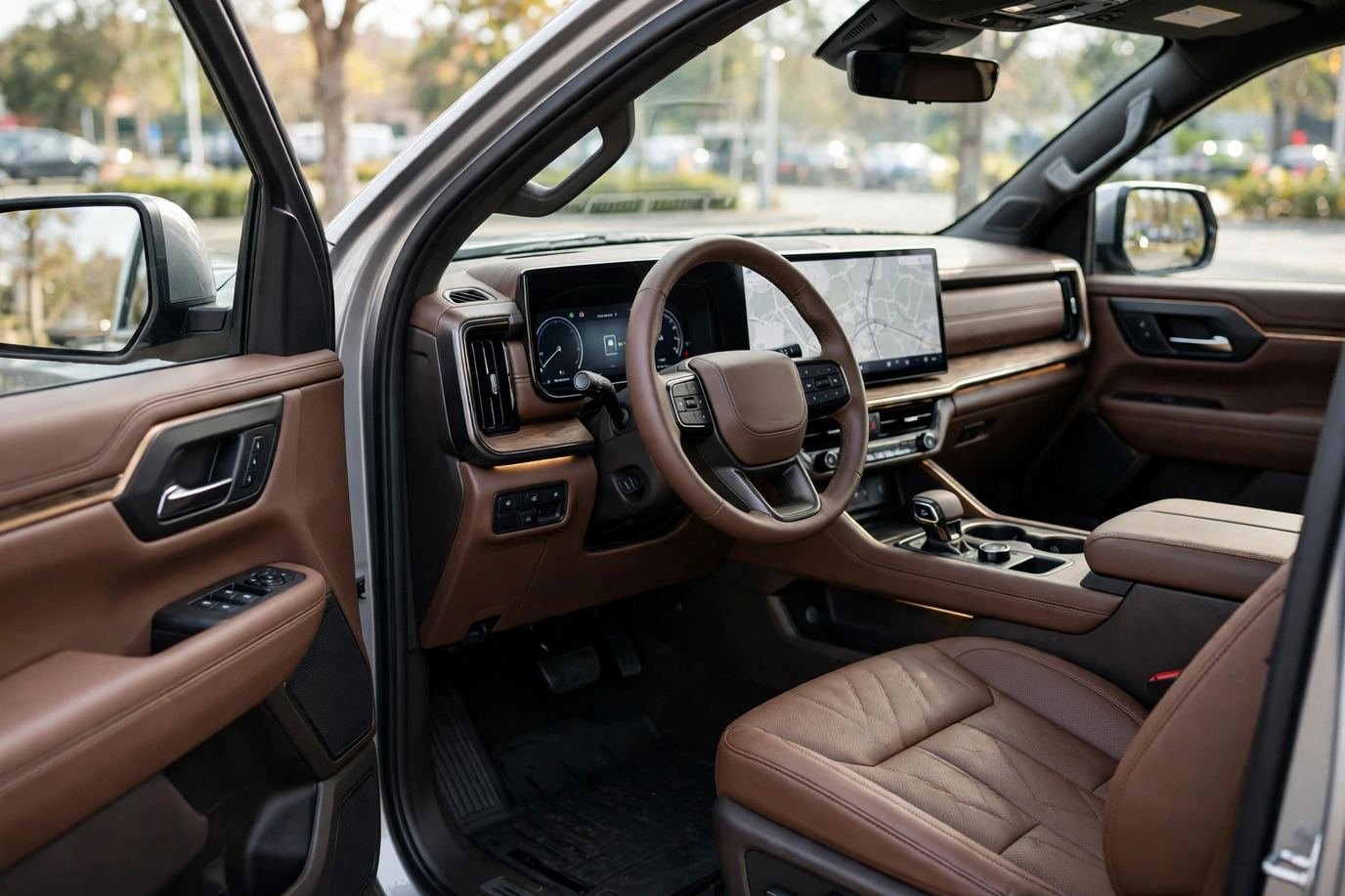
Step inside a Ram 1500 and the first thing you notice is space. The cabin feels wide and open, with a high seating position that gives you a commanding view of the road. Even taller drivers will find plenty of headroom and legroom, and the back seat in a crew cab is big enough for adults on long trips.
Materials vary by trim, but even mid-level trucks feel thoughtfully put together. Soft-touch surfaces, sensible storage, and large door bins make daily life easier. Higher trims add leather, ventilated seats, and a sense of quiet luxury that surprises people who expect a truck to feel rough and basic.
Technology is another strong point. Most models offer a large central touchscreen with smartphone integration, so your maps, music, and messages work the way you expect. A digital driver display, wireless charging, and multiple USB ports are common on better-equipped models. Some trims add a head-up display and a premium sound system that makes long highway drives genuinely enjoyable.
One practical tip: spend ten minutes in the truck before you buy. Adjust the seat, try the touchscreen, and check the rear legroom with the front seat set for you. Spec sheets cannot tell you whether a cabin feels right. Your body can.
Towing and Hauling Capability
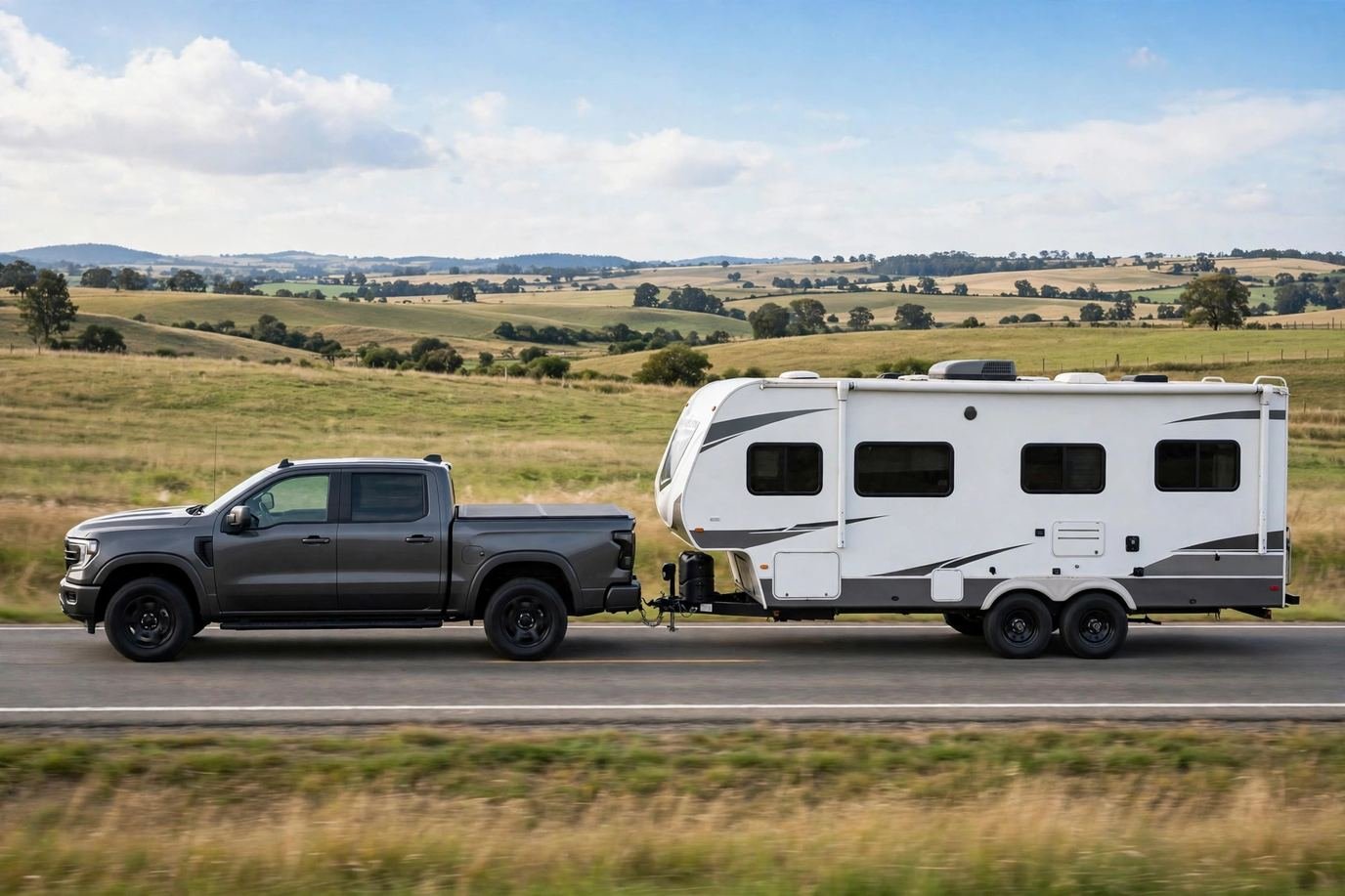
Towing is where a full-size truck earns its keep, but it is also where buyers make the most mistakes. The headline towing number you see in advertisements applies to one specific, well-equipped configuration. Your truck’s real rating depends on its engine, cab, bed length, axle ratio, and options.
Here is how to think about it in practice:
- Know your trailer’s real weight. A travel trailer’s loaded weight — with water, gear, and supplies — is much higher than its empty weight. Always work from the loaded figure.
- Leave a margin. Towing at the absolute maximum rating is stressful for the truck and the driver. A comfortable margin makes highway driving safer and far more relaxed.
- Get the towing package. Factory towing equipment, including a brake controller and proper cooling, matters more than a few extra horsepower.
- Practice before the big trip. Spend an afternoon in an empty parking lot learning to reverse, turn, and brake with a trailer. It pays off fast.
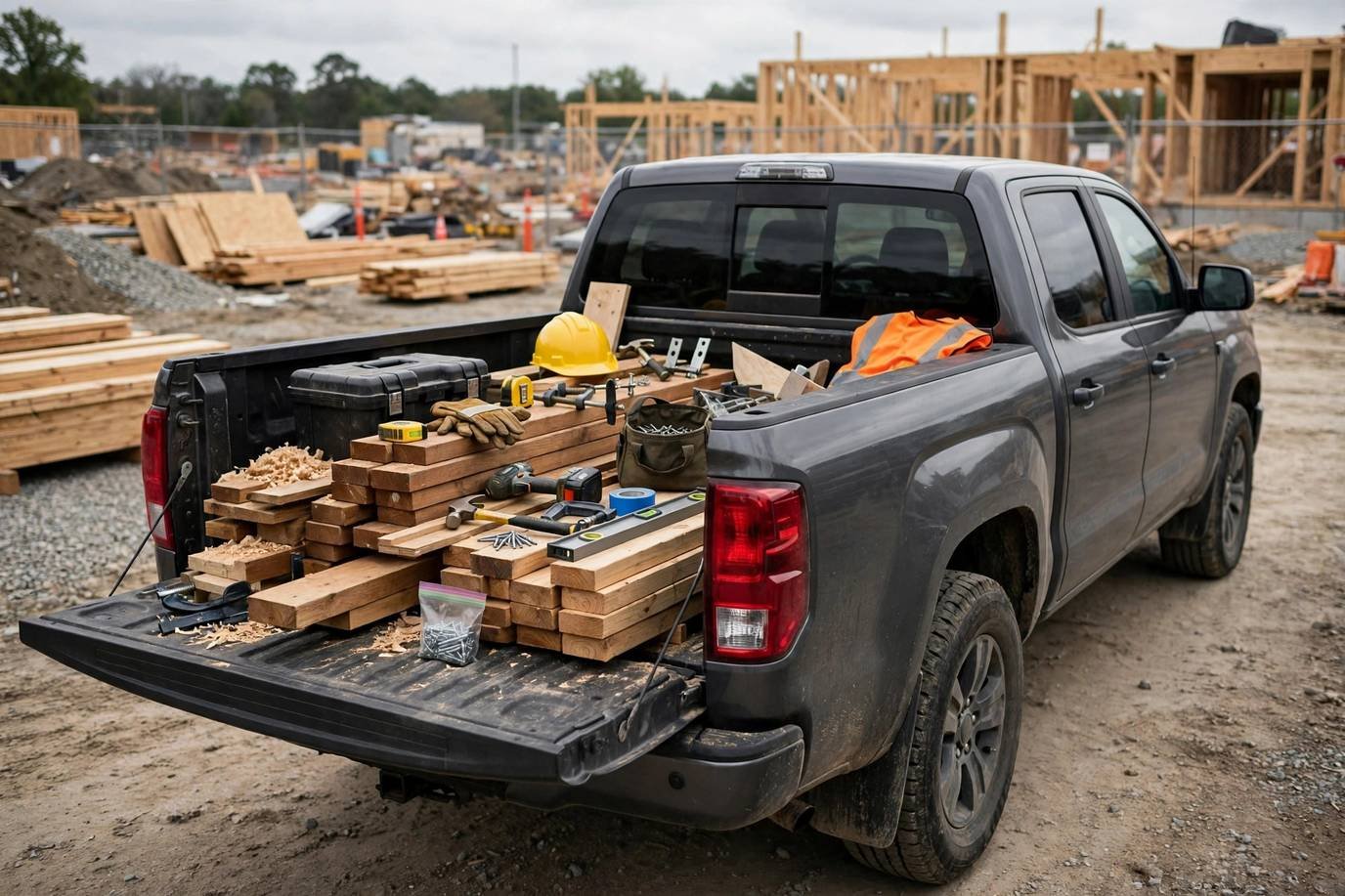
Hauling is simpler. The bed handles building materials, furniture, yard waste, and outdoor gear with ease. A spray-in bedliner protects the bed from scratches and dents, and bed dividers or a tonneau cover keep cargo organized and dry. If you carry heavy loads often, check the payload rating on the door sticker of the exact truck you are considering — that sticker, not the brochure, tells the truth.
Ride Quality and Everyday Handling
This is the Ram 1500’s secret weapon. Thanks to its coil-spring rear suspension, it rides more like a large SUV than a traditional truck. Potholes, expansion joints, and rough city streets are absorbed with a calmness that surprises first-time truck drivers.
Steering is light enough for parking lots but steady on the highway. The truck feels big — because it is — so tight parking garages and narrow drive-throughs take some getting used to. A surround-view camera system, available on many trims, makes a real difference here. If you park in tight spots daily, treat it as a must-have option.
Visibility is generally good, with large mirrors and a high seating position. Blind spots exist, as they do on any full-size truck, so driver assistance features like blind-spot monitoring earn their keep. Take a test drive that includes a highway merge, a U-turn, and a parking maneuver. Ten minutes of real-world driving tells you more than an hour of reading reviews.
Fuel Economy: What to Realistically Expect
Let us be honest: a full-size pickup will never sip fuel like a sedan. What you can expect is reasonable efficiency for the size and capability, with real differences between engines and driving styles.
City driving is where fuel use climbs fastest. Stop-and-go traffic, short trips, and cold starts all hurt economy. Highway cruising is far kinder, especially at steady speeds. Four-wheel drive, larger wheels, and aggressive tires also cost you a little at the pump.
A few habits help more than any gadget. Keep tires properly inflated, remove heavy gear you no longer need from the bed, and avoid long idling. If fuel costs worry you, the smaller engine or a turbocharged six-cylinder will usually be the smarter pick over the V8, and you should budget based on your real driving mix rather than the best-case highway figure.
Remember, too, that published fuel economy figures are estimates under controlled conditions. Your numbers will vary with weather, terrain, load, and driving style. Use them to compare trucks, not to predict your monthly fuel bill to the dollar.
Safety Features and Driver Assistance
Modern Ram 1500 models come with a solid set of safety equipment. Automatic emergency braking, lane-keeping assistance, and blind-spot monitoring are available across much of the range, and higher trims add adaptive cruise control that can handle stop-and-go traffic.
These systems are helpers, not replacements for attention. Adaptive cruise control makes highway driving less tiring, but you still need to watch the road. Blind-spot monitoring is especially valuable on a truck this size, where a small car can hide beside the bed.
Families should also check the rear-seat safety details: the ease of installing child seats, the presence of rear parking sensors or a camera, and how clearly the truck warns you about cross traffic when reversing out of a driveway. A truck that is easy to park safely is a truck you will enjoy more every single day.
Ram 1500 vs. Its Full-Size Rivals
The Ram 1500 competes with a strong field, and each rival has its own personality. Here is an honest, general comparison.
| Truck | Standout strength | Watch out for |
|---|---|---|
| Ram 1500 | Smoothest ride, premium cabin | Fuel use on bigger engines |
| Ford F-150 | Huge trim and engine variety | Option lists can get confusing |
| Chevrolet Silverado 1500 | Strong work-truck value | Cabin feel varies a lot by trim |
| GMC Sierra 1500 | Upscale trims, clever bed features | Higher trims get expensive fast |
| Toyota Tundra | Reputation for durability | Fewer configurations than rivals |
Choose the Ram if ride comfort and cabin quality matter most to you. Choose a rival if you need a specific configuration, a particular engine, or a feature the Ram does not offer. There is no wrong answer here — only a better fit for your priorities. And if you like reading practical everyday guides while you research, you will find plenty of useful reading over at Daily Insight 360, which covers a wide mix of topics in plain language.
Buying Tips: New, Used, and What to Check
Buying new gives you a full warranty, the latest tech, and the exact configuration you want. It also costs the most. Buying used can save you a lot, especially on trucks that are two to four years old, but it demands more homework.
For a used Ram 1500, always check:
- Service history. Regular oil changes and transmission service matter more than low mileage alone.
- Accident and title history. A clean report is worth the small fee.
- Underbody condition. Look for rust, especially if the truck lived in a snowy region.
- Towing wear. A truck that towed heavy loads its whole life may show wear in the suspension and brakes.
- Electronics. Test every screen, camera, and driver aid before you buy. Repairs here can be pricey.
For a new truck, timing matters. End-of-month and end-of-model-year deals can be real, but do not let a discount push you into the wrong trim or color. The truck you will live with for years matters more than a few hundred dollars saved on the wrong one.
Financing deserves the same care. Get a quote from your bank or credit union before visiting the dealer, so you can compare offers calmly. A lower monthly payment stretched over a longer term is not a bargain — it is more interest paid for a truck that is worth less at the end.
Ownership Costs to Plan For
The purchase price is only the beginning. A realistic ownership budget includes fuel, insurance, tires, maintenance, and the occasional repair.
Insurance on a full-size truck runs higher than on a sedan, partly because of the vehicle’s value and repair costs. Get quotes before you buy, not after, so there are no surprises. Tires are another big item: larger wheels mean pricier replacements, and all-terrain tires wear faster on pavement. Budget for a full set every few years depending on your mileage.
Routine maintenance is straightforward — oil, filters, brakes, and fluids on schedule. Skipping services to save money usually costs more later, especially on trucks that tow. Finally, set aside a small reserve for the unexpected. A truck that works hard will occasionally need a repair, and a modest emergency fund keeps one bad month from becoming a crisis. For a different kind of practical home reading, Home Water Insights offers straightforward guides on everyday household topics.
Frequently Asked Questions
Is the Ram 1500 a good daily driver?
Yes, for many people it is. Its smooth ride, quiet cabin, and roomy interior make it far more comfortable than older trucks. The main trade-offs are size in tight parking spots and higher fuel and insurance costs than a car or small SUV.
Which Ram 1500 trim is the best value?
For most buyers, a mid-level trim offers the best balance of comfort, technology, and price. You get the important features without paying for luxury extras you may rarely use.
What is the difference between a crew cab and a quad cab?
A crew cab has four full-size doors and a large rear seat, making it the family-friendly choice. A quad cab has smaller rear doors and less rear legroom, but it usually pairs with a longer bed, which suits work use.
Can the Ram 1500 tow a camper?
Yes, when properly equipped it can tow a wide range of travel trailers and campers. Always check the specific truck’s towing rating and the trailer’s loaded weight, and leave a safety margin rather than towing at the maximum.
Is four-wheel drive worth it on a Ram 1500?
It is worth it if you face snow, mud, gravel, or boat ramps regularly. If you drive almost entirely on dry pavement in a mild climate, rear-wheel drive saves money and fuel with little downside.
How long does a Ram 1500 last?
With regular maintenance, a Ram 1500 can serve for many years and high mileage. Longevity depends heavily on service history, towing habits, and climate, so a well-maintained used truck often beats a neglected low-mileage one.
Should I buy a Ram 1500 new or used?
Buy new if you want the latest features, a full warranty, and your exact configuration. Buy used if you want better value and are willing to check service history and condition carefully before committing.
Final Thoughts
The Ram 1500 earns its popularity the old-fashioned way: it does the truck jobs well and the daily-driver jobs better than most rivals. It tows, hauls, and handles rough roads, yet it rides smoothly, seats a family comfortably, and offers technology that feels modern rather than bolted on.
Your best move is simple. Decide what you tow, how many people ride with you, and how much time you spend behind the wheel. Then shop the mid-level trims first, test drive your top two choices back to back, and confirm current pricing, specs, and towing ratings with a dealer before you sign. The right Ram 1500 is not the most expensive one on the lot — it is the one that fits your life so well you stop thinking about it and just enjoy driving it.
Read Also: Andy Warhol: Life, Art, and Pop Art Legacy (2026 Guide)

1 Comment