

There are NBA players you remember for the numbers, and then there are players you remember for the feeling they gave you when they stepped on the court. Lamar Odom belongs firmly in the second group. He was the tall guy who handled the ball like a guard, passed like a point guard, rebounded like a big man, and somehow made all of it look easy. Coaches loved him because he could fill whatever hole a team had. Teammates loved him because he made their jobs simpler. Fans loved him because, on his best nights, basketball just looked fun when he played it.
But Odom’s story was never just about basketball. Long before the championships and the bright lights, there was a childhood marked by loss in Queens, New York. And long after the cheers faded, there were very public struggles that nearly cost him everything. That is why people still search his name years after his last NBA game. They are not only asking what he did on the court. They are asking how someone can fall so far and still keep fighting to come back.
This guide walks through the whole story, honestly and simply: where he came from, how he reached the NBA, what made him special, what went wrong, and where his road to recovery has taken him since.
The short answer: Lamar Odom is a former American professional basketball player, born November 6, 1979, in Queens, New York. Drafted fourth overall in 1999 by the LA Clippers, he became best known for his years with the Los Angeles Lakers, where he won NBA championships in 2009 and 2010 and was named NBA Sixth Man of the Year in 2011. A versatile 6’10” forward, he could score, rebound, and pass, but his career and personal life were later shaped by well-publicized struggles and a long, ongoing recovery after 2015.
Who Is Lamar Odom?
Lamar Joseph Odom was born on November 6, 1979, in Queens, New York City. He grew up in a world that was far removed from the glamour of professional sports. His early life was shaped by hardship and loss, including the death of his mother when he was young, and he was largely raised by his grandmother. Those early years matter because they explain a lot about the man he became: warm, emotional, generous, and deeply affected by the people around him. Basketball became his outlet and his escape. Even as a teenager, it was obvious that he was different from other tall players. Most players his height stayed near the basket. Odom wanted the ball in his hands. He wanted to run the offense, push the pace, and make plays for others. That unusual combination of size and skill would define his entire career. Before the NBA, Odom played college basketball at the University of Rhode Island. His time there was brief but memorable, and it confirmed what scouts already suspected: a player with his size, vision, and feel for the game did not come along very often. By the time the 1999 NBA Draft arrived, he was one of the most intriguing prospects available, a player teams dreamed of building around.
How Did Lamar Odom Get to the NBA?
The road from Queens to the NBA is never easy, and Odom’s path had its share of complications. He moved between high schools, dealt with personal upheaval, and still managed to keep his game developing. What carried him through was a rare basketball mind. He saw passing lanes other players missed. He understood spacing. He could grab a rebound and start a fast break himself, without needing to hand the ball to a guard first. In the 1999 NBA Draft, the LA Clippers selected Odom with the fourth overall pick. That is a significant detail. The top of any NBA draft is reserved for players teams believe can change a franchise, and Odom was chosen in that territory. The Clippers were betting on his versatility, his upside, and the idea that a 6’10” player who could do everything might be the future of the game. For a young player, that kind of expectation is a lot to carry, especially on a struggling team. But Odom showed flashes right away. He could fill a stat sheet in ways that few rookies could, scoring, rebounding, and setting up teammates, sometimes all in the same possession. Even when the Clippers struggled as a team, individual observers could see what made him special.
What Made Lamar Odom So Versatile?
If you had to describe Lamar Odom in one word, it would be versatile. That word gets thrown around a lot in sports, but in his case it was genuinely accurate. Here is what set him apart:
- Size with guard skills: At 6’10”, Odom had the height of a power forward but the ball-handling and passing instincts of a guard.
- Rebounding and transition play: He could secure a defensive rebound and immediately push the ball up the court, turning defense into offense without a pause.
- Passing vision: He found cutters, hit shooters in rhythm, and made the kind of unselfish plays that lift an entire offense.
- Positional flexibility: Coaches could play him at multiple spots, which made matchups difficult for opponents and lineups easier to build.
- Feel for the game: He played with an instinctive, flowing style, reading the defense rather than forcing a predetermined move.
This is why coaches kept finding roles for him even as teams and systems changed. A player who can only do one thing is easy to game-plan against. A player who can do a little bit of everything forces the other team to make uncomfortable choices. Do you guard him with a big man, who may struggle to keep up with his handle? Or with a smaller, quicker player, who may struggle against his size? There was rarely a perfect answer. That versatility also explains why his value was sometimes greater than his scoring totals suggested. Some nights he led the team in scoring. Other nights he led in rebounds or assists, or simply made the right play at the right time. Fans who only checked the box score could miss his impact. People who watched the games understood it.
Which Teams Did Lamar Odom Play For?
Odom’s NBA journey took him through several stops, each with its own chapter. The table below gives a simple overview of his career path.
| Period | Team | What That Chapter Meant |
|---|---|---|
| 1999–2003 | LA Clippers | Drafted fourth overall; early promise and flashes of stardom. |
| 2003–2004 | Miami Heat | A fresh start and a step toward winning basketball. |
| 2004–2011 | Los Angeles Lakers | His defining years: championships, a Sixth Man award, and his best team success. |
| 2011–2012 | Dallas Mavericks | A brief and difficult stint after leaving Los Angeles. |
| 2012–2013 | LA Clippers | A return to where it all began, near the end of his NBA career. |
After his NBA career, Odom also had brief playing stints outside the league, but it is the NBA chapters above that define his legacy. The Lakers years, in particular, are what most fans remember first.

What Happened During His Time With the LA Clippers?
Odom began his professional career with the Clippers, the team that drafted him. Those early years were a mix of excitement and frustration. On an individual level, he showed exactly why he had been a top-five pick. He could handle pressure, make plays, and produce across the board. On a team level, the Clippers were still finding their way, and wins were hard to come by. Young players on losing teams face a particular challenge. They are asked to develop, to lead, and to stay patient, all at the same time. Odom did develop, and his talent was never in question, but the environment was not built for winning. By the time he moved on, he had established himself as a legitimate NBA talent, and he was ready for a team with bigger ambitions. His early Clippers years are often overlooked because the championships came later, but they matter. They were the years when he learned the league, adjusted to its physicality, and proved that his unusual skill set could work against the best players in the world.
How Did the Miami Heat Change His Career?
In 2003, Odom joined the Miami Heat, and the move proved to be an important turning point. Miami offered something different: a more structured environment, a clearer role, and a team moving in a competitive direction. It was a chance to show that he could contribute to winning, not just put up numbers. His season in Miami helped reshape how people saw him. He was no longer just a talented young player with potential. He was a proven contributor who could help a good team. That season also set the stage for the biggest move of his career, because it was his time in Miami that led, through a major trade, to Los Angeles. Sometimes a single season can change a career’s direction. For Odom, Miami was that season. It reminded the league of his value, and it put him on the path to the Lakers, where his legacy would ultimately be made.
Why Are His Lakers Years Considered His Peak?
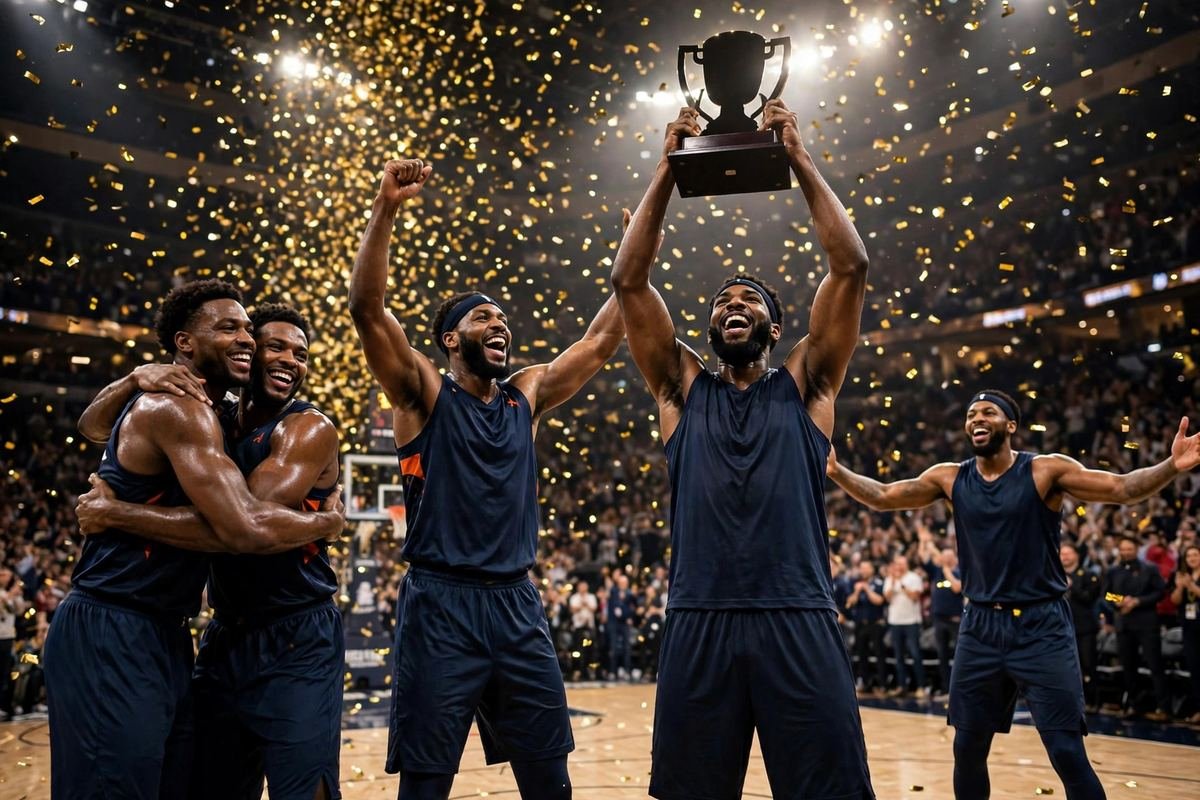
When Odom arrived with the Los Angeles Lakers in 2004, he joined one of the most storied franchises in basketball. The Lakers years, from 2004 to 2011, became the heart of his story. This was where his versatility found its perfect home. On those Lakers teams, Odom did not need to be the first option every night. That was a strength, not a limitation. He could start or come off the bench. He could play alongside stars and still make his mark. He could defend multiple positions, rebound, push the pace, and create shots for others. In a team built around structure and star power, he was the connective piece that made lineups work. The results speak for themselves. Odom won NBA championships with the Lakers in 2009 and 2010. Those titles were team achievements, earned through long playoff runs, tough series, and contributions from the entire roster. Odom’s role in them was real and respected. He was not a passenger. He was a key part of the rotation, trusted in big moments, and relied upon for the exact versatility that had defined him since high school. Then, in 2011, he received individual recognition that confirmed his importance: the NBA Sixth Man of the Year award. That award goes to the league’s best player in a reserve role, and it was a fitting honor for Odom. It recognized what Lakers fans already knew. Coming off the bench did not make him less valuable. In many ways, it made him more valuable, because he could change a game the moment he entered it.
The 2009 and 2010 Championships
Championships are remembered for their final moments, but they are built over months of work. The Lakers’ back-to-back titles in 2009 and 2010 were the product of talent, chemistry, and resilience, and Odom’s steady presence was part of that mix. He gave the team size, passing, and rebounding off the bench and in the starting lineup when needed. In playoff basketball, where matchups and adjustments decide series, that kind of flexibility is gold. For Odom personally, those titles were the fulfillment of everything he had worked toward since Queens. He had gone from a kid with a dream and a difficult childhood to a champion on one of basketball’s biggest stages. That journey is a large part of why his story still resonates.
The Sixth Man of the Year Season
Winning Sixth Man of the Year in 2011 was a proud moment, and it highlighted a truth about basketball that casual fans sometimes miss: the best team is not always the team with the best five starters. Depth matters. Energy matters. A player who can enter a game and immediately raise its level is incredibly valuable. Odom did exactly that, night after night, and the award recognized it. It is also worth noting that the award came in a season of change and uncertainty for the Lakers. Individual honors do not erase team disappointment, but they do mark a player’s contribution in a lasting way. Long after the details of a season fade, “Sixth Man of the Year” remains on a player’s record, a permanent reminder of a job done well.
What Went Wrong After Los Angeles?
After the Lakers years, Odom’s career took a difficult turn. He moved to the Dallas Mavericks, but the stint was brief and unhappy. The fit was never right, and his time there ended without the impact anyone had hoped for. He later returned to the Clippers, the team where his career had begun, but by then his NBA journey was winding down. It would be incomplete to tell Odom’s story without being honest about this period. The basketball decline was connected to a much larger personal struggle. Odom faced well-publicized personal difficulties, including substance-related struggles, that affected his health, his career, and his public life. These are not easy parts of the story to write about, and they should not be treated as gossip. They were serious challenges that shaped the second half of his life. What matters most is the human side of it. Odom has spoken openly in later years about his struggles, and that openness has helped many people who face similar battles. Athletes are often expected to be invincible, but Odom’s story is a reminder that talent and fame do not protect anyone from personal pain. Recovery is not a single moment. It is a long process, with progress, setbacks, and hard work.
What Happened in 2015 and After?
In 2015, Odom experienced a serious health crisis that made headlines around the world and left many fearing the worst. He survived, but the road back was long and difficult. His recovery became a central part of his public story from that point forward. Since then, Odom has worked to rebuild his life and his health. He has spoken publicly about recovery, appeared in interviews, and tried to use his experience to help others. That effort has not been a straight line, and he has been candid about the ongoing nature of recovery. But the fact that he is here, speaking, and working to move forward is itself a significant part of the story. People who follow comeback stories often want a neat ending, a moment where everything is fixed. Real life rarely works that way. Odom’s story is better understood as an ongoing one: a man who reached the top of his profession, lost his way, survived a crisis, and continues to work on himself. That honesty is part of why his story still matters. For readers interested in how athletes rebuild their lives and careers, there are thoughtful features on sports and personal growth at dailyorvix.com, where similar comeback journeys are explored in a straightforward, human way.
What Is Lamar Odom’s Legacy?
Legacy is a complicated word, and Odom’s is more layered than most. Here is a balanced way to think about it:
| Area | Legacy |
|---|---|
| On-court versatility | One of the most skilled big men of his era at handling, passing, and rebounding. |
| Team success | NBA champion in 2009 and 2010 with the Lakers. |
| Individual honor | NBA Sixth Man of the Year in 2011. |
| Influence on the game | An early example of the positionless, multi-skilled forward that is common today. |
| Personal story | A public journey through struggle, survival, and ongoing recovery. |
In basketball terms, Odom was ahead of his time. Today, teams actively seek tall players who can handle the ball, pass, and switch across positions. When Odom was doing it, it was unusual. Younger fans watching the modern game may not realize how rare that skill set once was. In that sense, his influence extends beyond his own statistics. He helped show what a versatile forward could be. In human terms, his legacy is about resilience. Championships and awards are impressive, but the willingness to keep going after public failure and personal crisis is a different kind of achievement. It is the part of his story that reaches people who have never played basketball at all.
How Does Odom Compare to Other Versatile Forwards?
Comparing players across eras is always tricky, because the game changes. But it is useful to place Odom in context. Many of the forwards who came after him, players celebrated for doing a bit of everything, were following a path that Odom had already walked. He was not the only versatile forward of his generation, but he was one of the clearest examples of it. What separated him was the combination. Plenty of players could rebound. Plenty could pass. Fewer could do both while also handling the ball in transition and guarding multiple positions. That combination is why coaches valued him so highly, even when his scoring varied from night to night. It is also why his best role was often as a connector rather than a centerpiece. Some players are built to carry a team every night. Odom was built to make a good team better, to fill gaps, and to elevate the players around him. That is a rarer and more underrated skill than it sounds.
What Can We Learn From Lamar Odom’s Story?
Odom’s life offers lessons that go beyond sports, and they are worth stating plainly:
- Talent needs the right environment. Odom’s best basketball came when he was surrounded by structure, strong teammates, and a clear role.
- Versatility is a superpower. Being able to do many things well can be more valuable than being excellent at only one thing.
- Success does not prevent struggle. Championships and fame did not shield Odom from personal difficulties.
- Recovery is ongoing. There is no single finish line, only daily effort and honest choices.
- Openness helps others. By speaking about his struggles, Odom turned a private battle into something that could encourage other people.
These lessons are part of why his story continues to be told. It is not a simple tale of triumph, and it is not a simple tale of tragedy. It is a human story, with highs that were very high and lows that were very low, and a middle that is still being written.
Frequently Asked Questions About Lamar Odom
When was Lamar Odom born?
Lamar Odom was born on November 6, 1979, in Queens, New York.
What teams did Lamar Odom play for in the NBA?
He played for the LA Clippers, the Miami Heat, the Los Angeles Lakers, the Dallas Mavericks, and then the Clippers again. His longest and most successful stretch was with the Lakers from 2004 to 2011.
How many NBA championships did Lamar Odom win?
He won two NBA championships, both with the Los Angeles Lakers, in 2009 and 2010.
Did Lamar Odom win Sixth Man of the Year?
Yes. He was named NBA Sixth Man of the Year in 2011, recognizing him as the league’s top reserve player that season.
Where did Lamar Odom play college basketball?
He played at the University of Rhode Island before entering the NBA.
How tall is Lamar Odom and what position did he play?
Odom is 6’10” and played primarily as a forward, known for his ability to handle the ball, rebound, and pass like a guard despite his size.
What happened to Lamar Odom after his NBA career?
After his NBA career, Odom faced well-publicized personal struggles, including a serious health crisis in 2015. He survived and has since focused on recovery, speaking publicly about his experiences and working to rebuild his life.
Final Thoughts
Lamar Odom’s story is not easy to summarize in a single sentence, and that is exactly why it stays with people. He was a kid from Queens who became a top-five draft pick, a champion, and an award winner. He was a player whose versatility made him beloved by coaches and teammates. He was also a man whose personal struggles played out in public, in ways that were painful to watch and difficult to live through. If there is a single thread running through it all, it is resilience. Odom’s career shows what rare talent looks like when it finds the right team. His life after basketball shows what recovery looks like when it is honest, ongoing, and unfinished. Both parts matter, and neither should be told without the other. For anyone discovering his story for the first time, start with the basketball, because that is where his gift was clearest. Stay for the human story, because that is where its meaning lies. And if you enjoy stories about sports figures who faced long odds and kept going, you will find more thoughtful reads on athlete journeys at adailyinsight360.com.

Read Also: How Does Gravity Work in Space? Explained Simply (2026 Guide)

1 Comment