Types of Stars Explained: Dwarfs, Giants and More
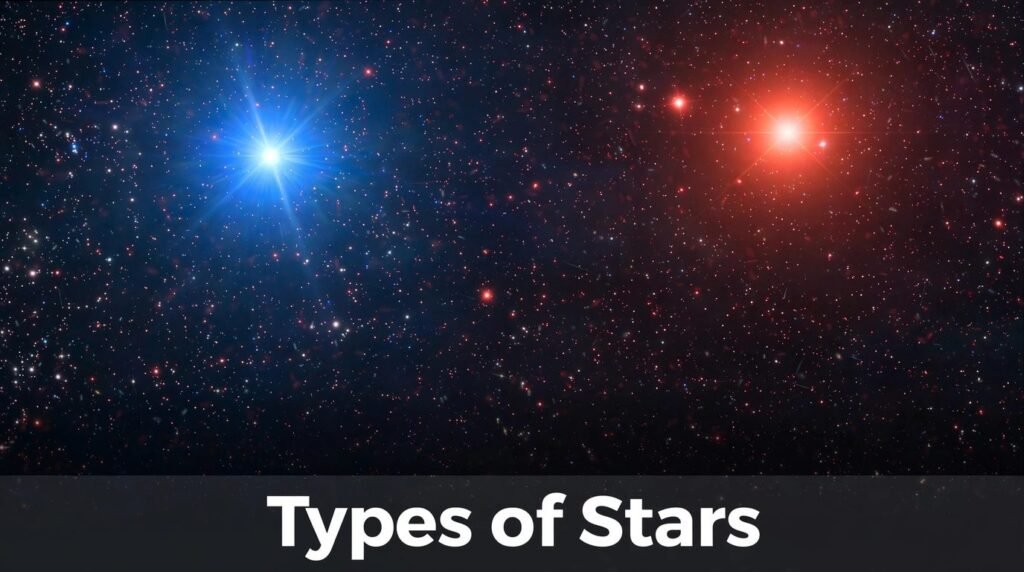
Stars are not all the same. From tiny red dwarfs that burn for trillions of years to huge supergiants that end in spectacular explosions, this guide explains every main type in plain language.
Explore our collection of authoritative, peer-referenced guides covering space science, planetary geology, stellar death, black holes, stargazing field manuals, and telescope optics.
Stars are not all the same. From tiny red dwarfs that burn for trillions of years to huge supergiants that end in spectacular explosions, this guide explains every main type in plain language.
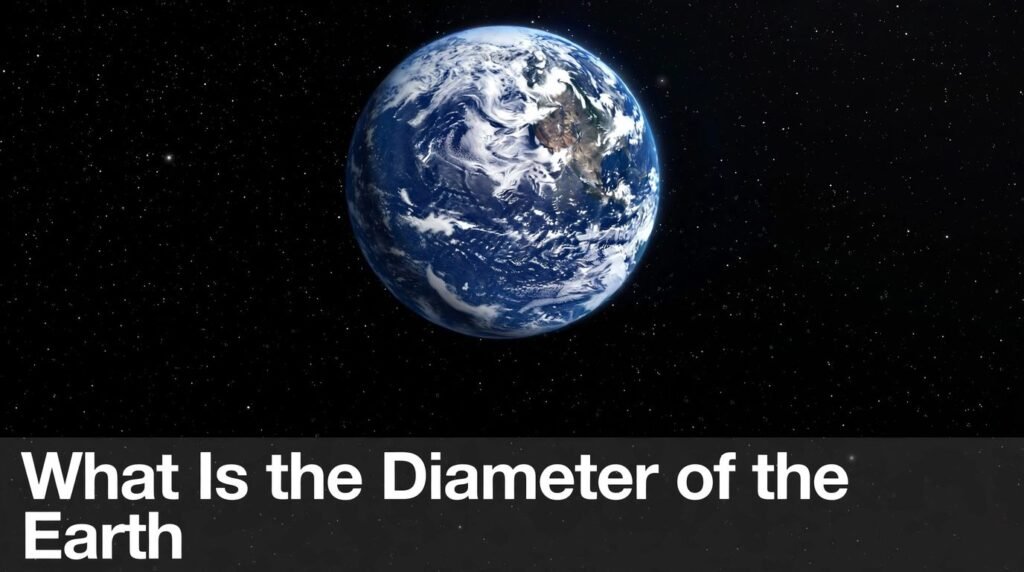
Earth is about 12,742 km across on average, but it is slightly wider at the equator than from pole to pole. Here is the exact size, why it differs, and how scientists measured it.
NASA is spelled in all capitals and stands for National Aeronautics and Space Administration. This guide explains the correct spelling, the full form, and the mistakes to avoid.
NASA gives away free 3D models of real spacecraft, planets, asteroids and rovers. Here is where to find them, which file to download, and how to print or open them.
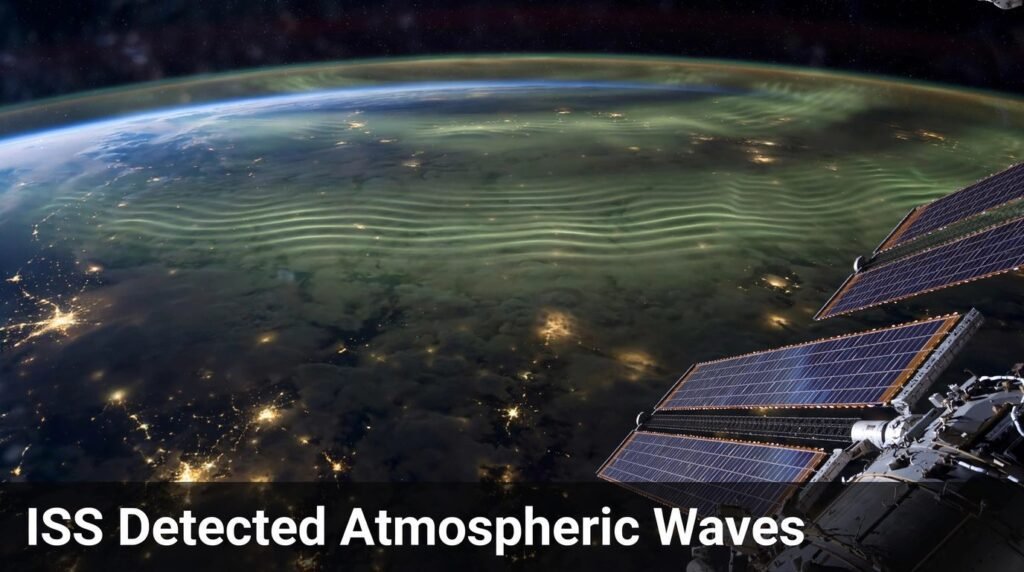
When the ISS detected atmospheric waves high above Earth, NASA found a direct link between storms on the ground and disturbances in space. Here is what the station saw, how it saw it, and why it matters for satellites and GPS.
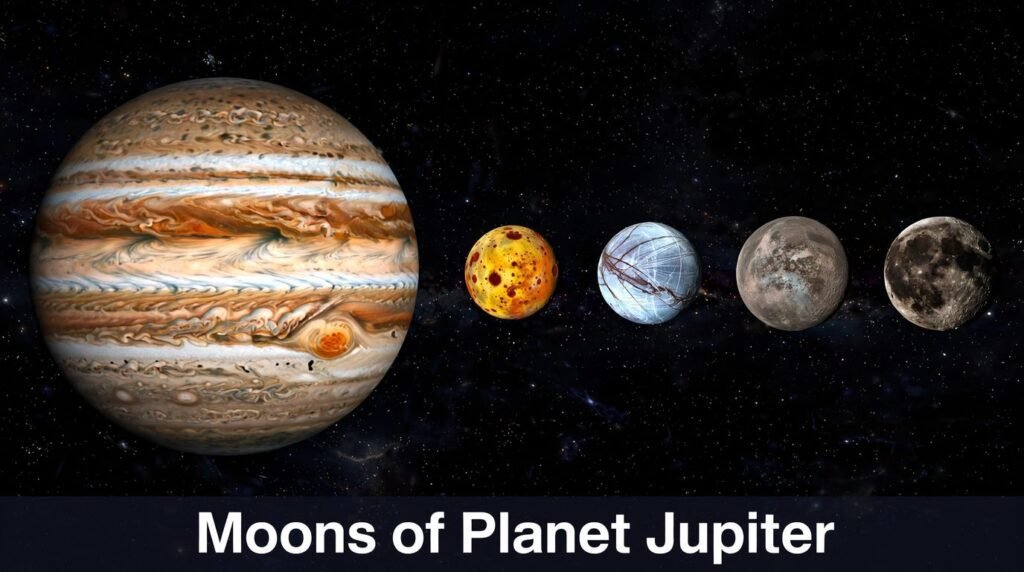
Jupiter has 95 officially recognised moons — and the number is still growing. From volcanic Io to ocean world Europa, this guide explains the four Galilean moons, how the rest were found, and how you can spot them yourself.
Looking for the best science books to read? This guide recommends real, proven titles for beginners, astronomy lovers, physics fans and young readers — plus how to choose, read, and afford them.
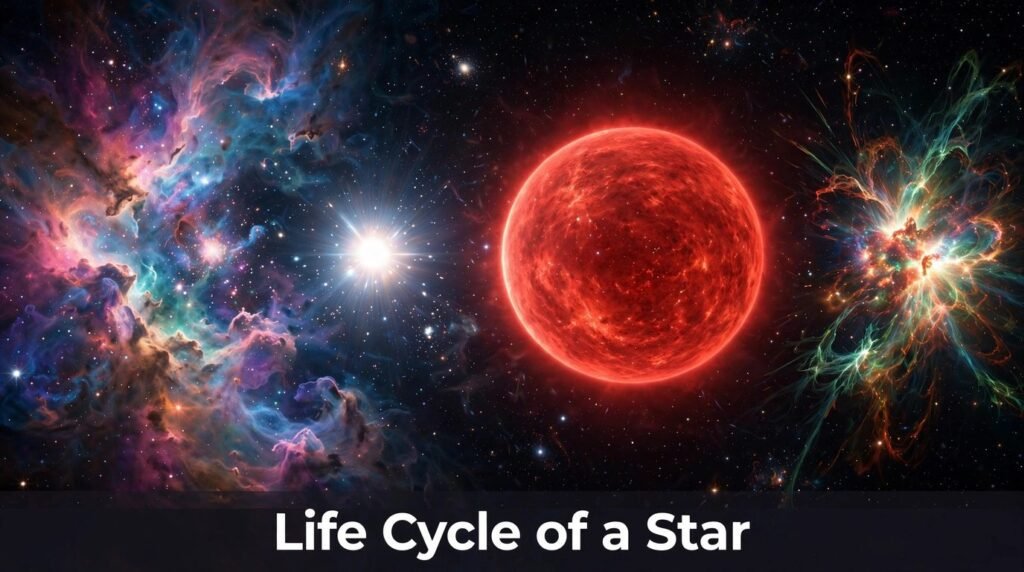
Every star is living through a story, from its birth in a cold cloud of gas to its final fate as a white dwarf, neutron star, or black hole. This guide follows the full life cycle of a star, explains how mass decides the ending, and reveals what the future holds for our own Sun.
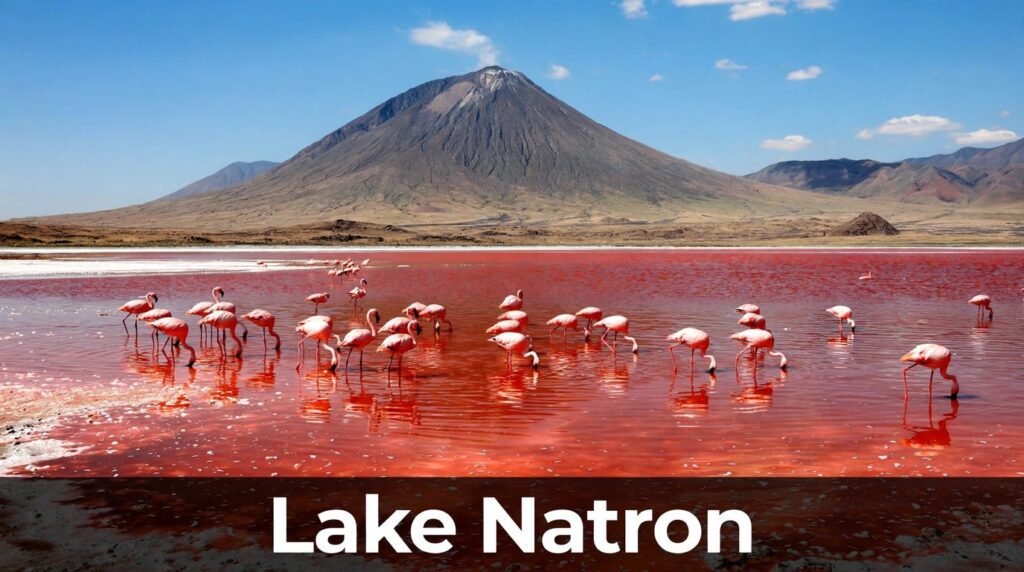
Lake Natron is a shallow, blood-red soda lake in northern Tanzania where millions of flamingos breed in water too caustic for almost anything else. Here is why the lake is red, how the flamingos survive, and what the famous "stone animals" really are.
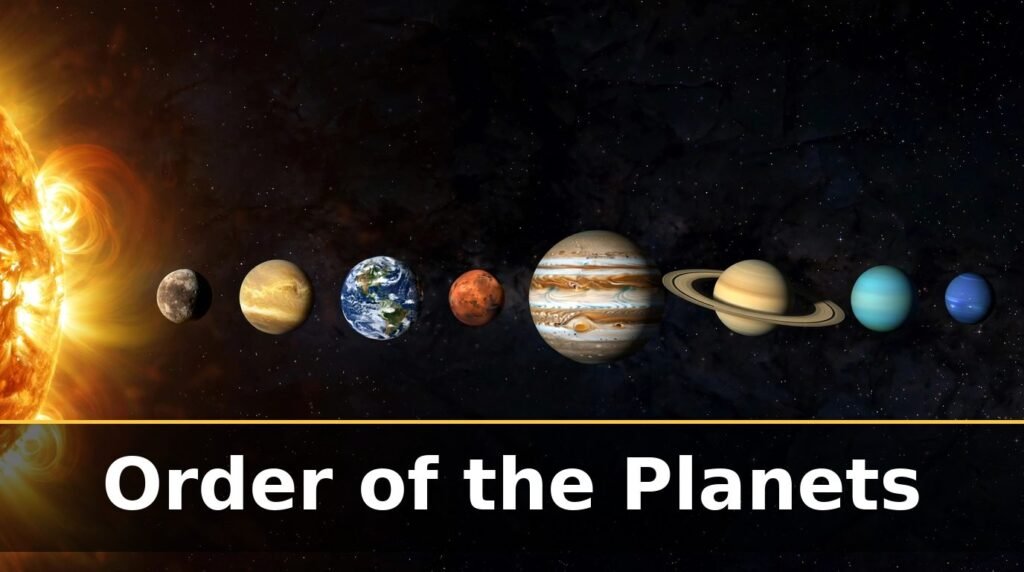
The order of the planets from the Sun is Mercury, Venus, Earth, Mars, Jupiter, Saturn, Uranus, and Neptune. Here is how far each one sits, how big it is, and the easy tricks people use to remember them all.