How Many Stars Are in the Milky Way? The Surprising Answer
The Milky Way holds somewhere between 100 and 400 billion stars, yet nobody has ever counted them one by one. Here is how astronomers work out the number, and why it keeps changing.
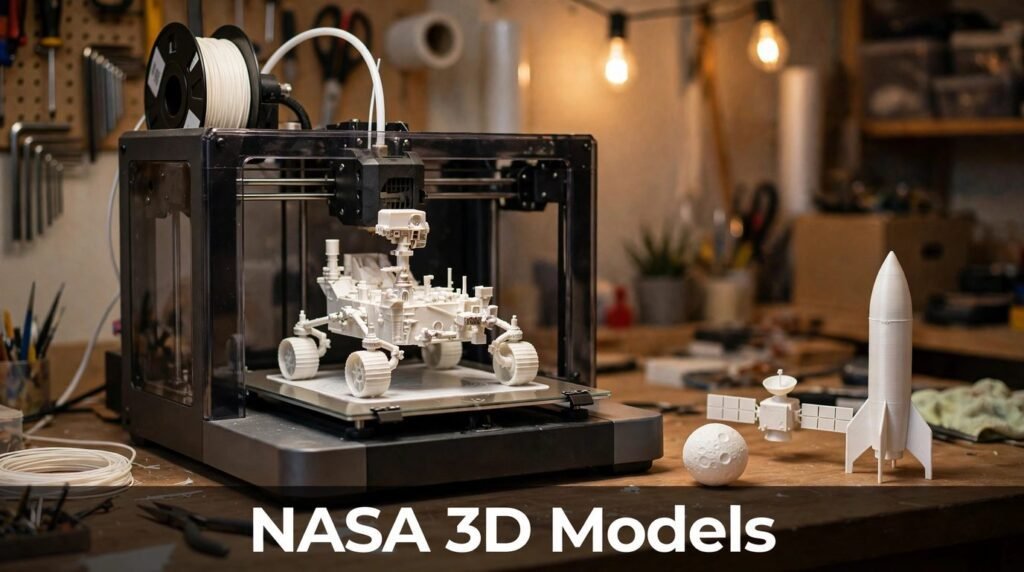
NASA gives away free 3D models of real spacecraft, planets, asteroids and rovers. Here is where to find them, which file to download, and how to print or open them.
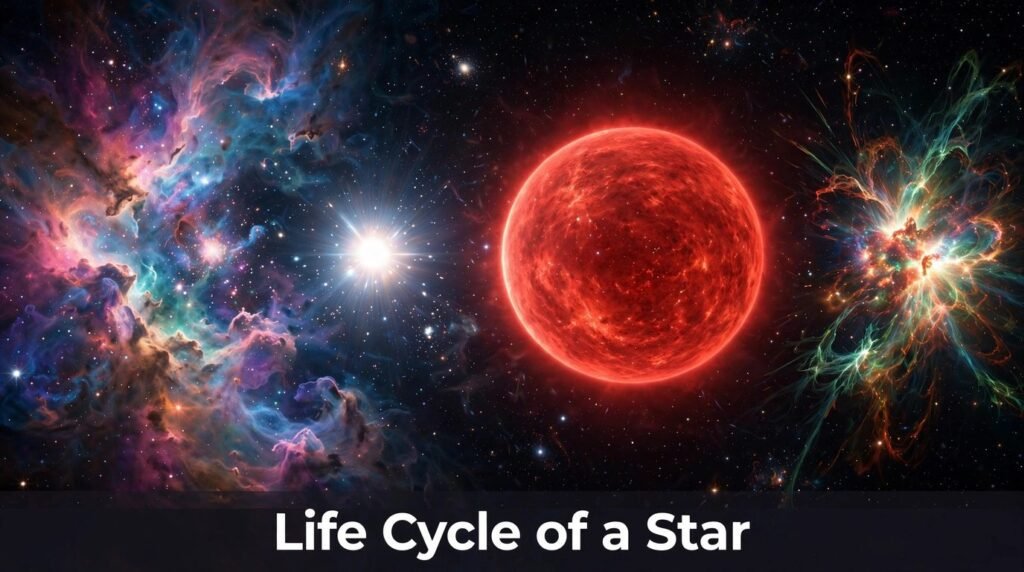
Every star is living through a story, from its birth in a cold cloud of gas to its final fate as a white dwarf, neutron star, or black hole. This guide follows the full life cycle of a star, explains how mass decides the ending, and reveals what the future holds for our own Sun.
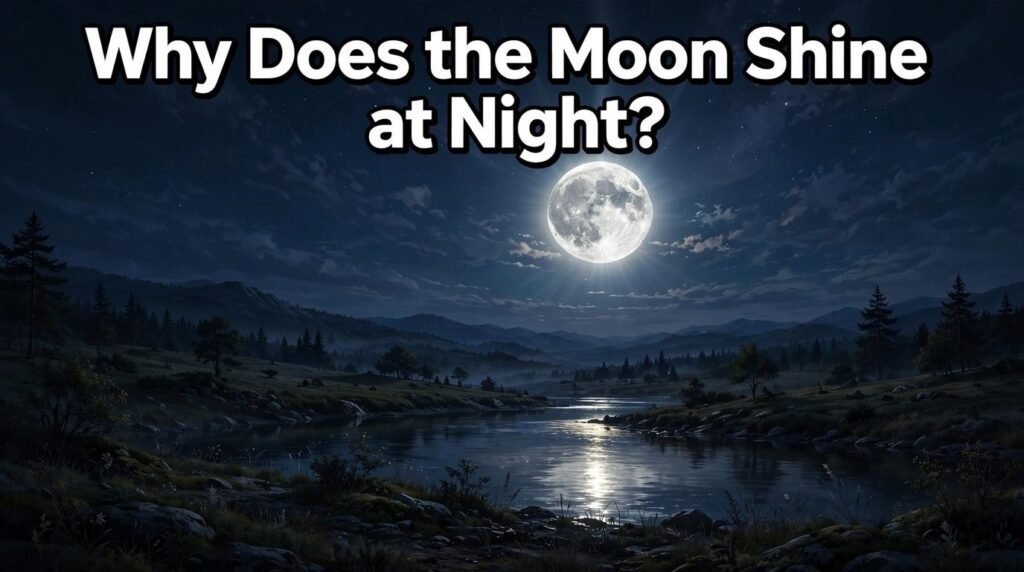
The Moon produces no light at all, yet it lights up the night. The secret is reflected sunlight, a dark sky, and a few quirks of physics.
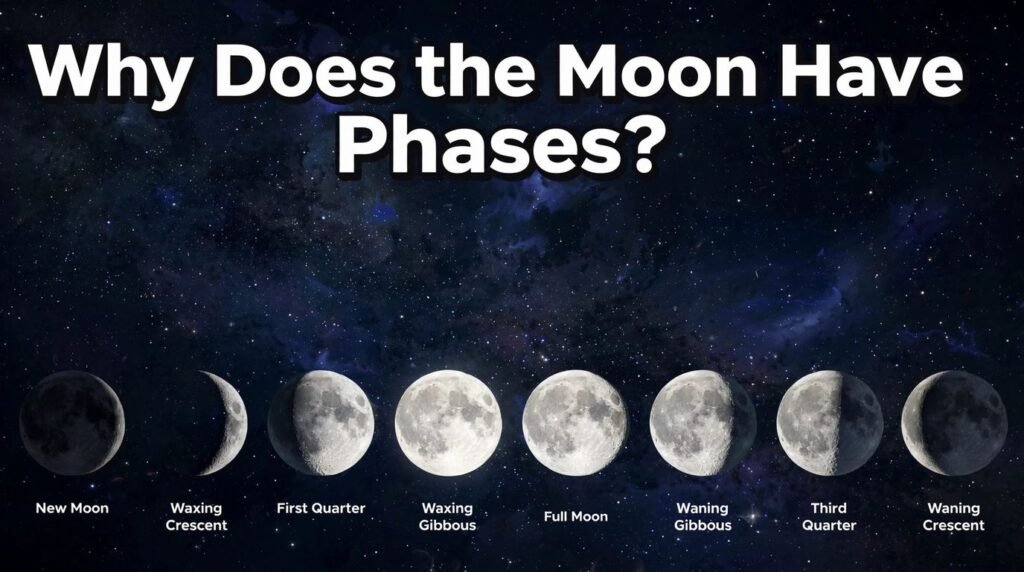
The Moon does not change shape at all — it only looks that way. Its phases come from sunlight, orbit, and your viewpoint on Earth.
Pluto was the ninth planet for 76 years — until a new definition in 2006 moved it into a different category. Here is what actually happened, why it happened, and why the debate has never fully gone away.
A telescope has no single maximum distance. What it can show you depends on its aperture, the brightness of the object, and the darkness of your sky — from millions to billions of light-years away.