How Far Away Is the Nearest Star? Simply Explained
The nearest star is far closer than you think — and far farther than you can imagine. Here's the real distance, in light-years, kilometres, and plain English, plus how astronomers measured it.
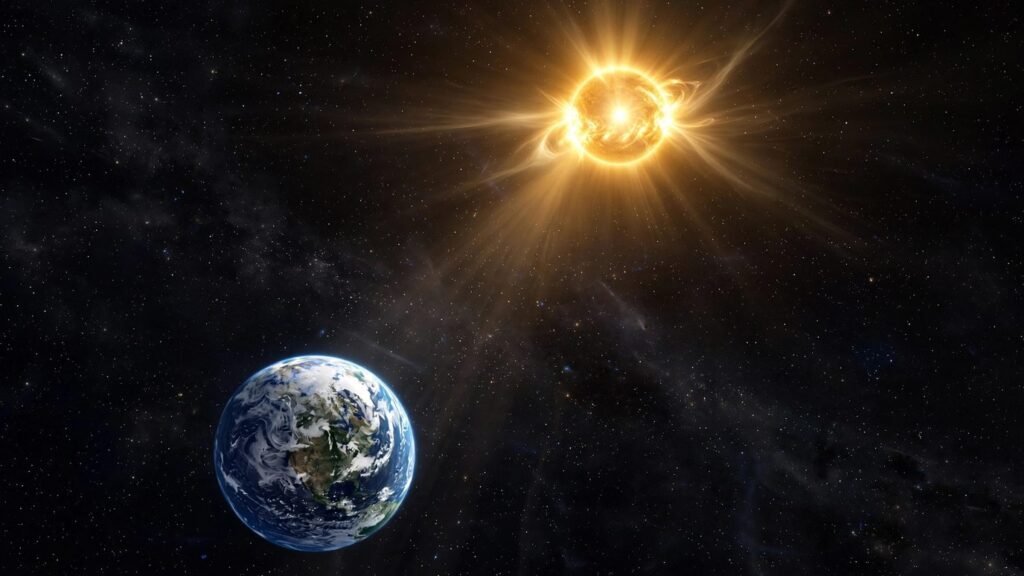
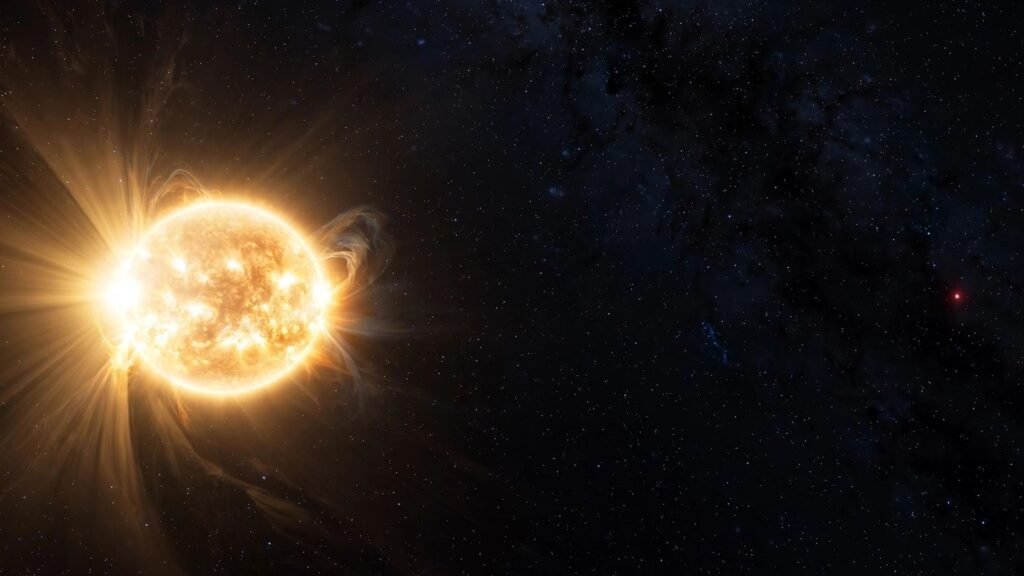
The closest star to Earth is the Sun, just eight light-minutes away. The next closest, Proxima Centauri, sits more than four light-years off — a gap that changes everything about how we see the night sky.
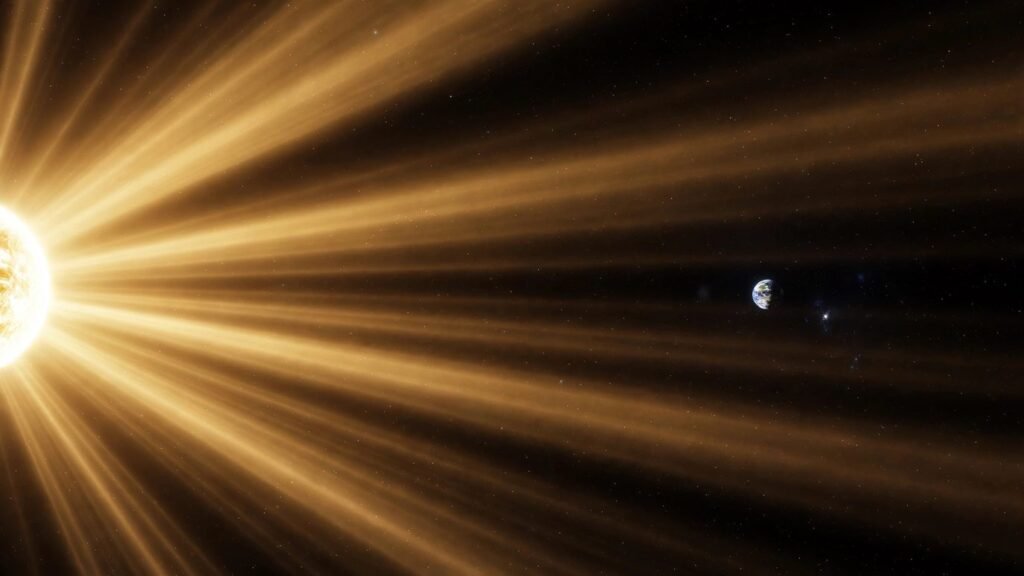
Sunlight takes about 8 minutes and 20 seconds to reach Earth, moonlight about 1.3 seconds, and starlight years or even centuries. This guide explains why, in plain language.
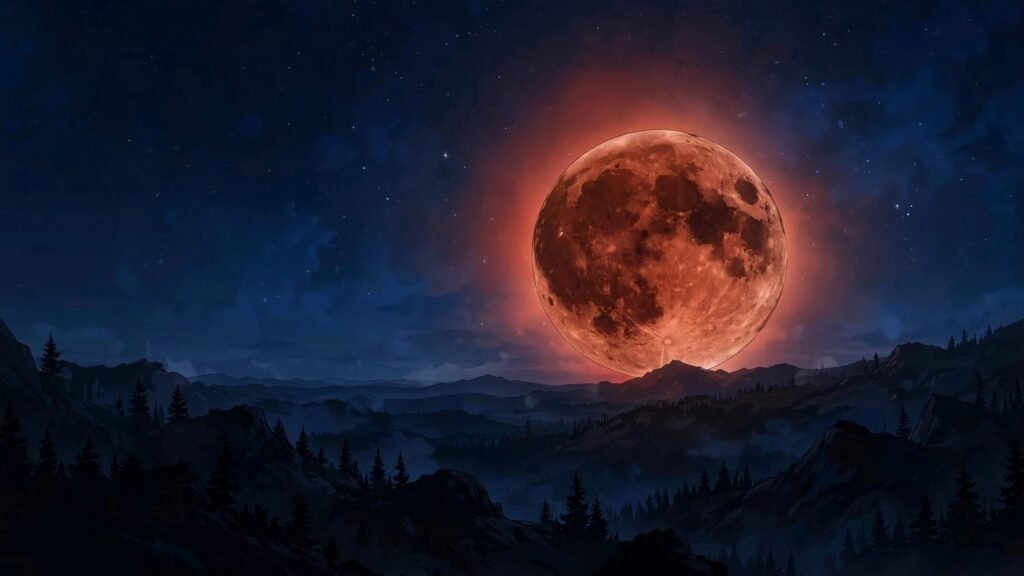
A lunar eclipse happens when Earth steps between the Sun and the Moon and drapes its shadow across the lunar surface. This guide explains the geometry, the red blood moon color, why eclipses do not happen every month, and when the next one arrives.
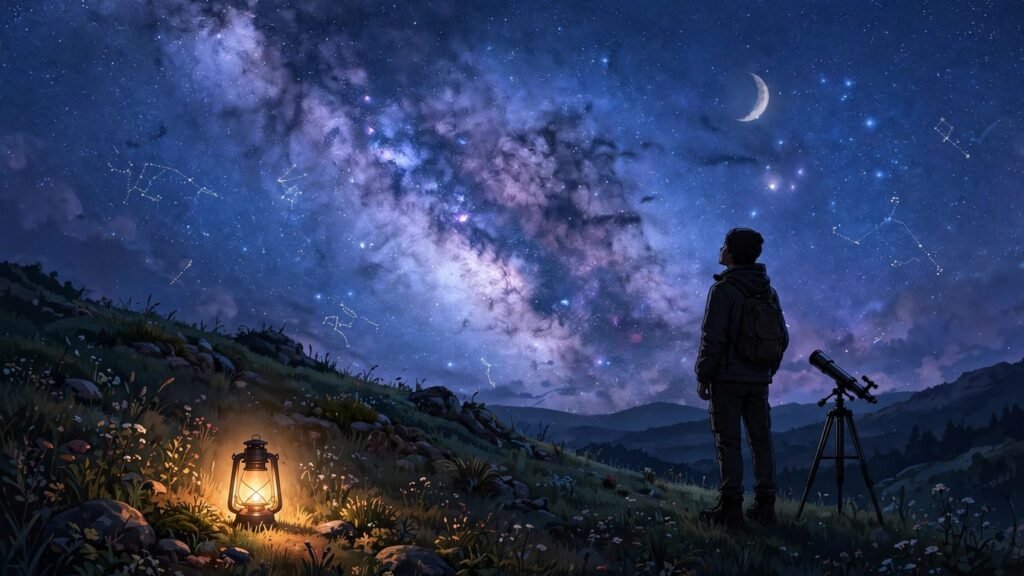
Starting astronomy is simpler than you think - your eyes, a dark sky, and a little patience. This guide maps your first year: what to see first, the gear that actually matters, and how to read the sky.