How Long Is a Day on Mars? A Sol Explained Simply
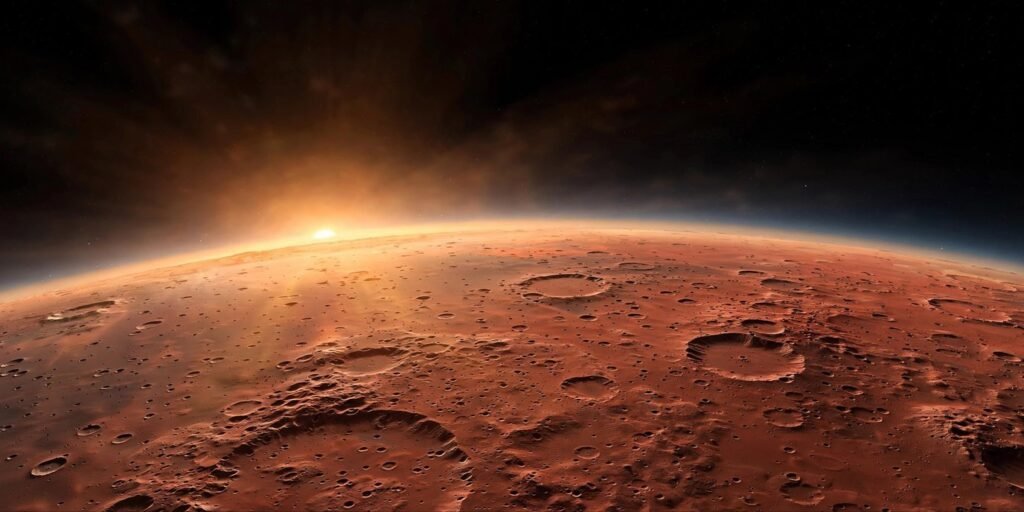
A day on Mars, called a sol, lasts 24 hours, 39 minutes and 35 seconds — just under 40 minutes longer than a day on Earth. Here is why, and why that small difference matters so much.
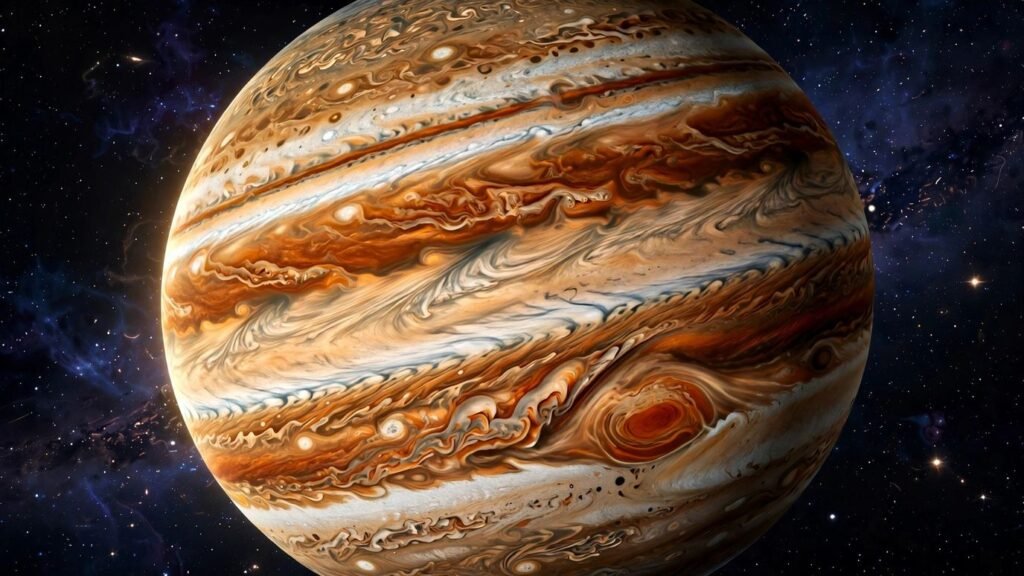
Jupiter is the biggest planet in the solar system, dwarfing every other world in size and mass. Here is how it earned that title, what it is made of, and how you can spot it yourself.
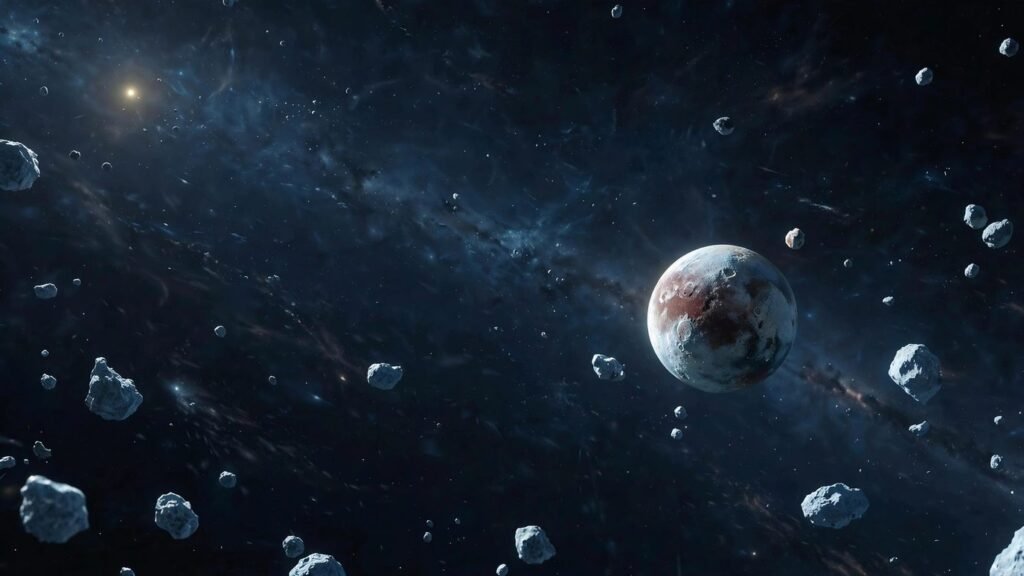
Pluto was the ninth planet for 76 years — until a new definition in 2006 moved it into a different category. Here is what actually happened, why it happened, and why the debate has never fully gone away.
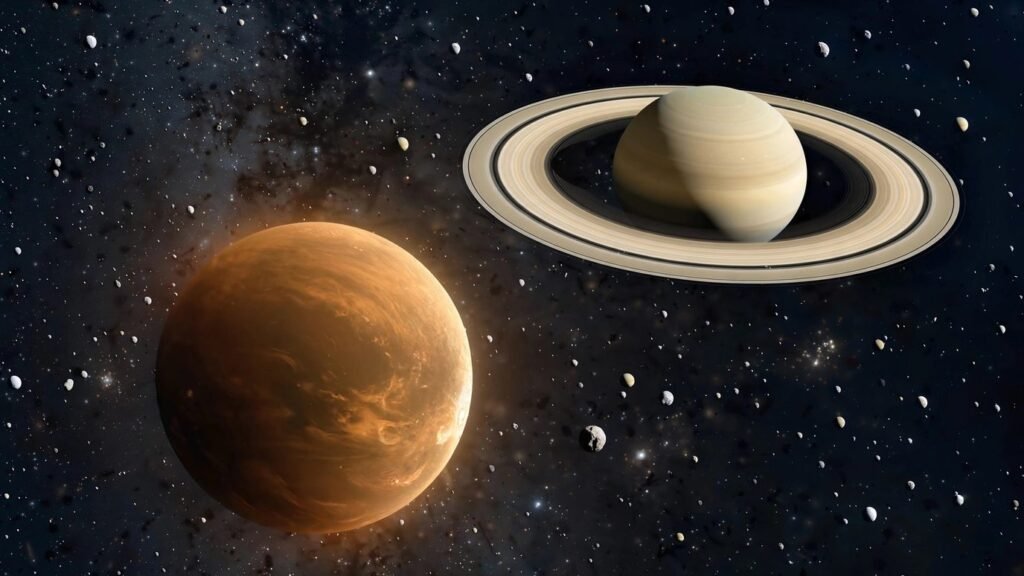
Saturn holds the record for the most moons of any planet, with 293 confirmed moons as of June 2026 — far ahead of Jupiter's 95.
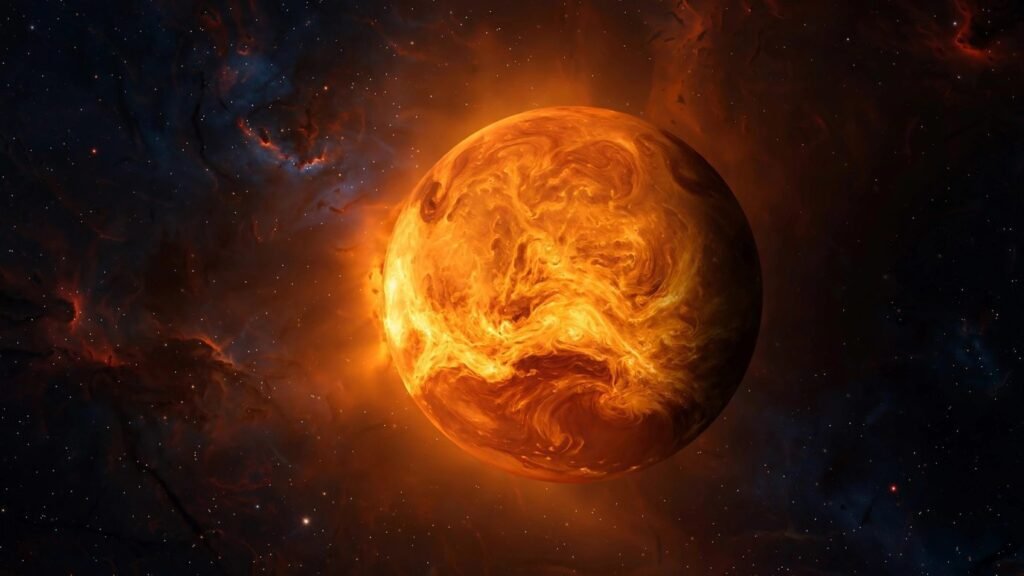
Mercury sits closest to the Sun, yet Venus holds the record for the hottest planet in the solar system. Its thick carbon dioxide atmosphere traps heat in a runaway greenhouse effect that never lets up.
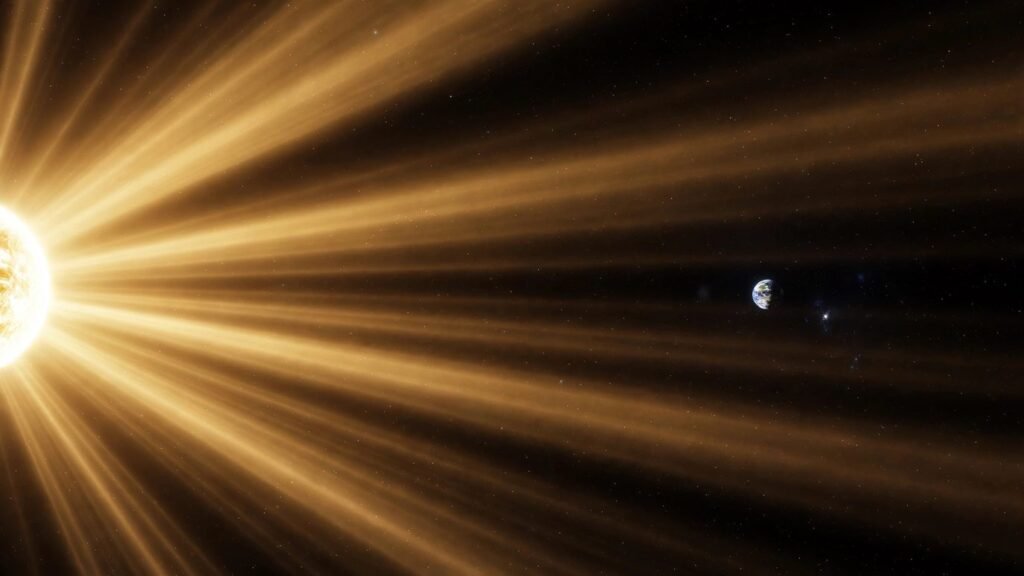
Sunlight takes about 8 minutes and 20 seconds to reach Earth, moonlight about 1.3 seconds, and starlight years or even centuries. This guide explains why, in plain language.
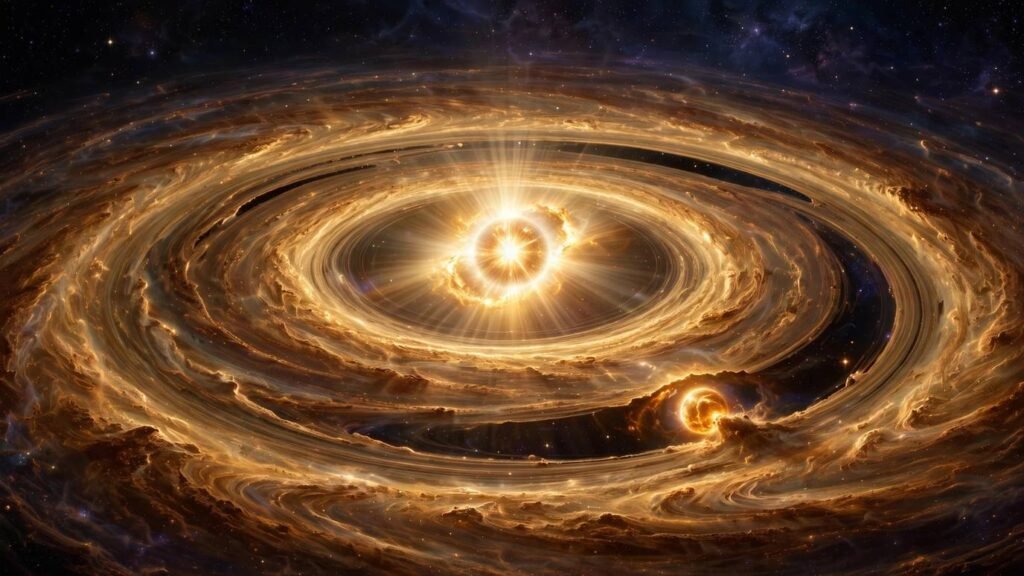
How do planets form? From collapsing dust clouds to protoplanetary disks, this guide explains every step of planet formation in plain, simple language.
An authoritative 1,500-word deep dive into our cosmic neighborhood: from the thermonuclear furnace of the Sun to terrestrial worlds, gas giants, Kuiper belt dwarf worlds, and the Oort Cloud.