What Is a Blue Moon? Meaning, Types and How Rare It Is
A blue moon is an extra full moon — either the second full moon in a calendar month or the third in a season of four. It is not usually blue at all.
November 7, 2026
Read Guide
Explore our collection of authoritative, peer-referenced guides covering space science, planetary geology, stellar death, black holes, stargazing field manuals, and telescope optics.
A blue moon is an extra full moon — either the second full moon in a calendar month or the third in a season of four. It is not usually blue at all.
A blood moon is a total lunar eclipse, when the Moon slips fully into Earth's shadow and glows red. Here is what causes it, when the next one happens, and how to watch it.
The next lunar eclipse is a penumbral eclipse on February 20, 2027 — a subtle dimming, not a blood moon. Here's when to look, where it will be visible, and when the next total eclipse arrives on December 31, 2028.
The next solar eclipse is an annular "ring of fire" eclipse on February 6, 2027, visible across southern Chile and Argentina. Here is everything you need to know about it — and the long total eclipse coming later that same year.
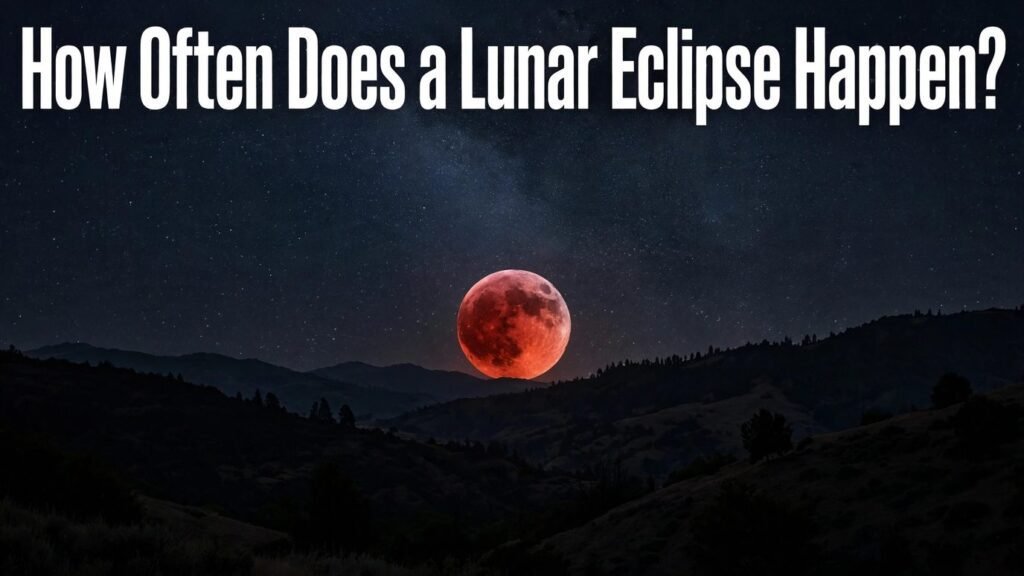
Lunar eclipses are more common than most people realise, and unlike solar eclipses, they can be watched by half the planet at once. Here is how often they really happen, and why.
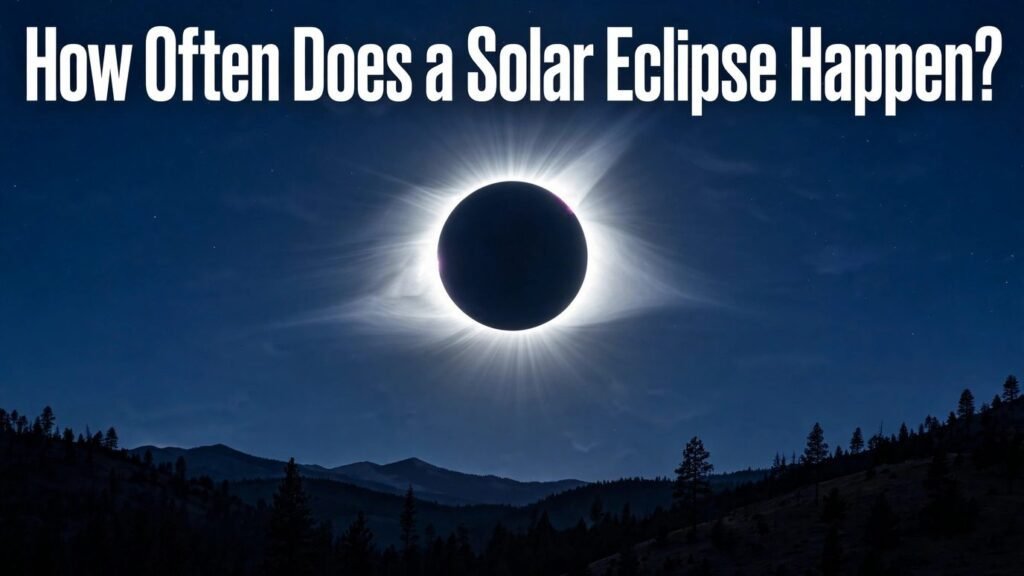
Solar eclipses happen several times a year somewhere on Earth, but a total eclipse over your hometown is a once-in-a-lifetime event. Here is why the two answers are so different.
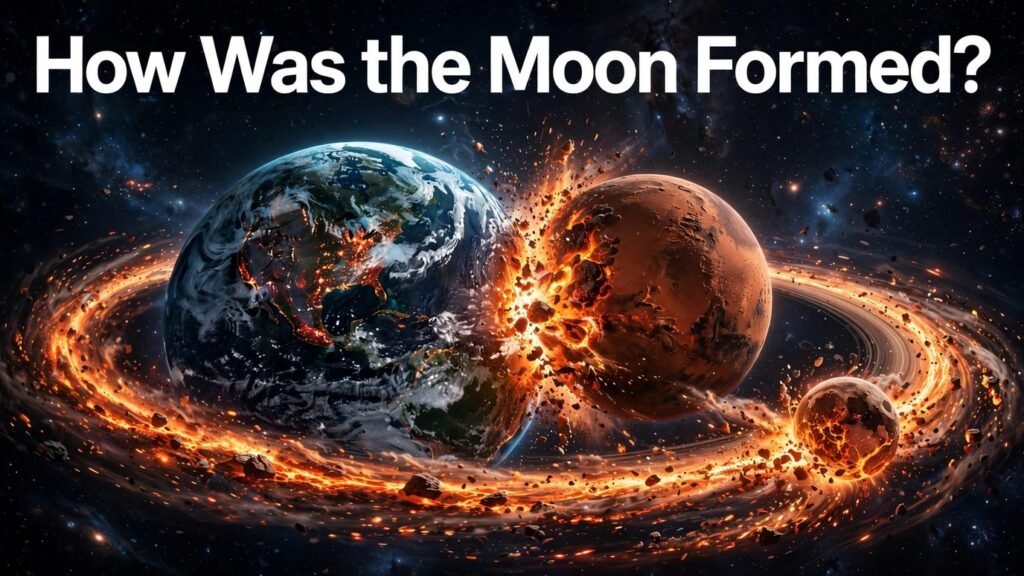
The leading explanation for the Moon's origin is the giant-impact hypothesis: a Mars-sized body struck the young Earth about 4.5 billion years ago, and the debris from that collision eventually gathered into the Moon.
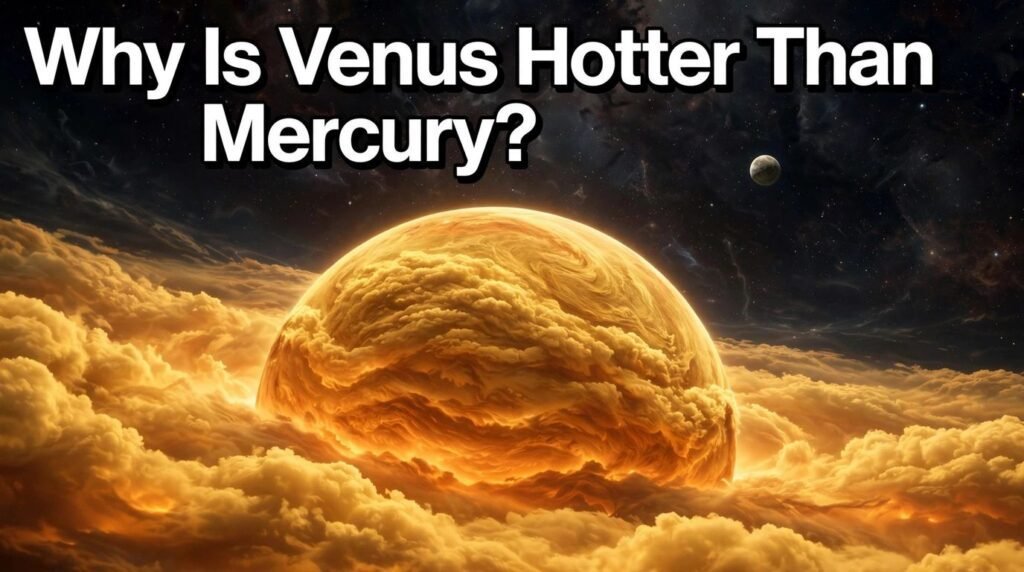
Mercury sits closest to the Sun, yet Venus is the hottest planet in our solar system. The reason is a runaway greenhouse effect — and it is a warning for every planet with an atmosphere.
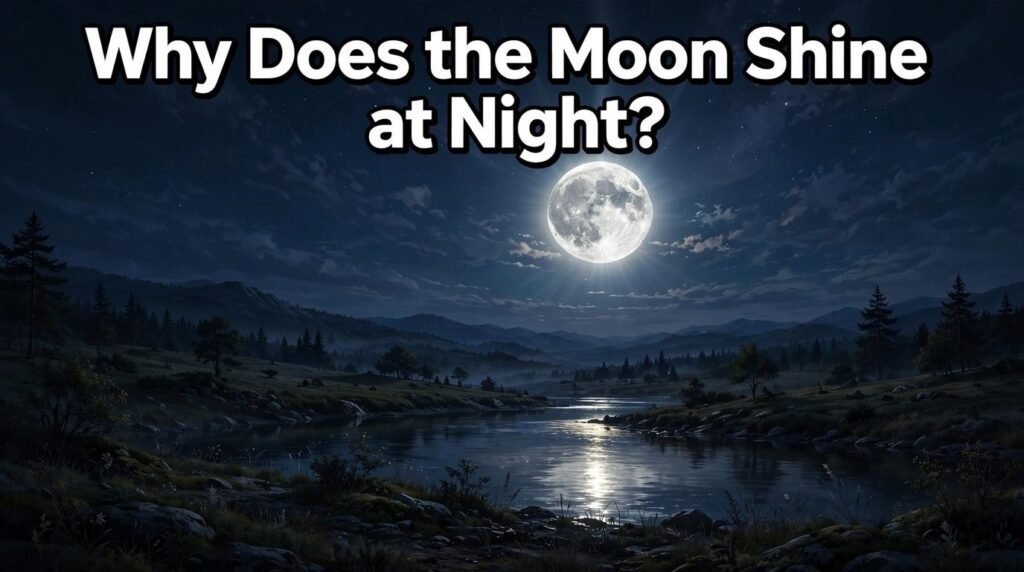
The Moon produces no light at all, yet it lights up the night. The secret is reflected sunlight, a dark sky, and a few quirks of physics.
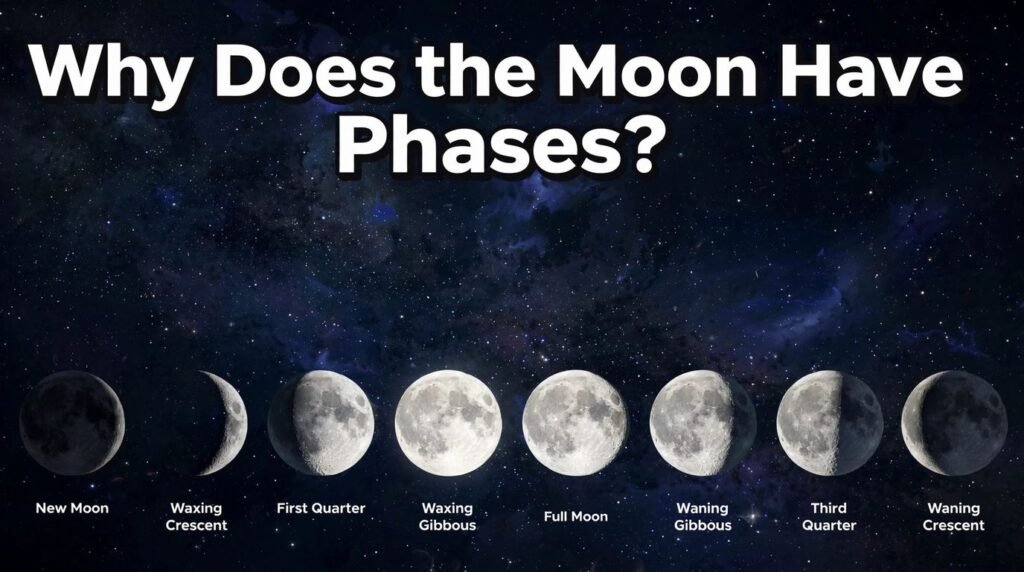
The Moon does not change shape at all — it only looks that way. Its phases come from sunlight, orbit, and your viewpoint on Earth.