How Hot Is the Surface of Venus? Explained Simply
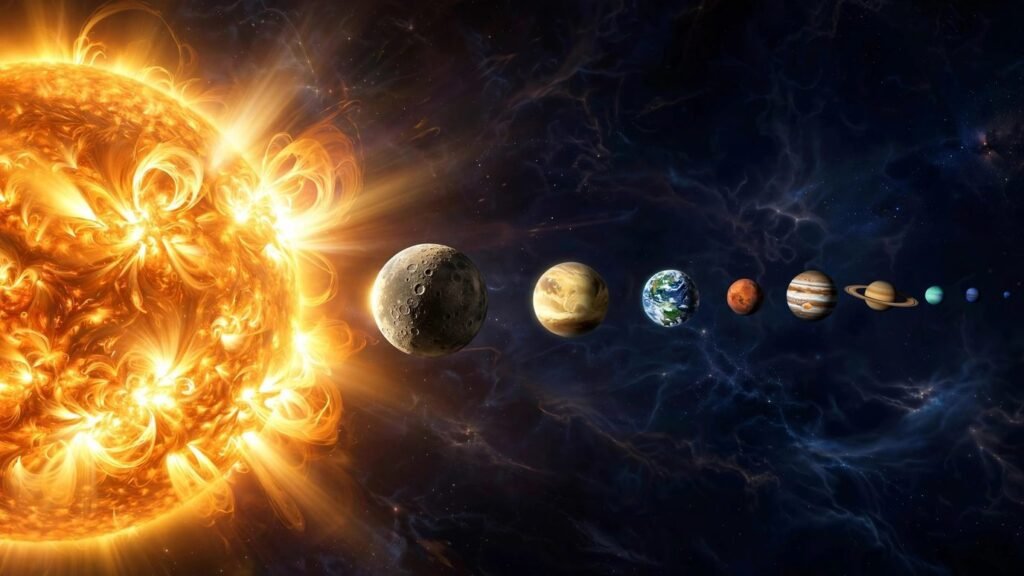
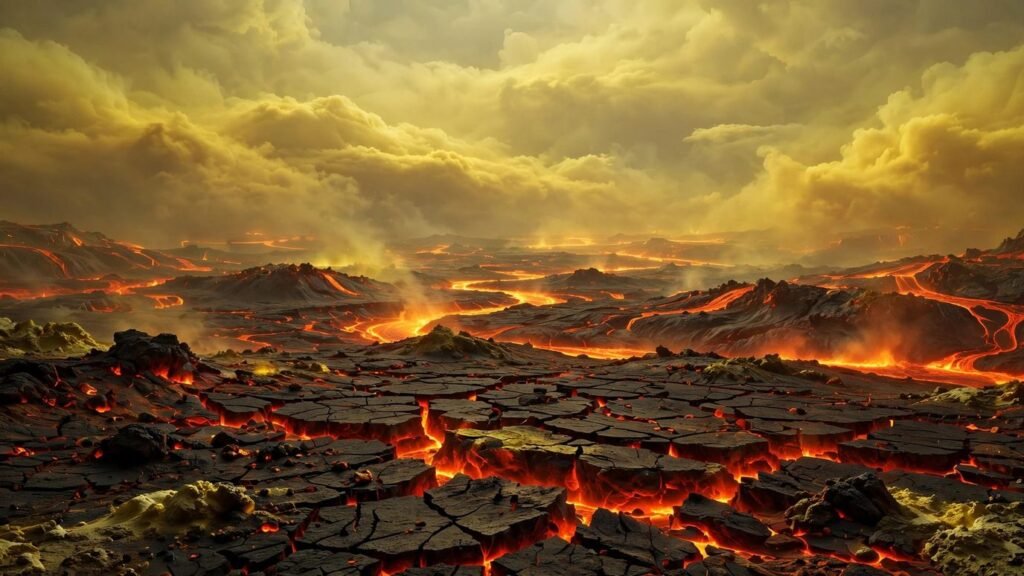
Venus is the hottest planet in our solar system, with a surface temperature of about 465°C that barely changes between day and night. Here's what makes it so extreme — and how we know.
Explore our collection of authoritative, peer-referenced guides covering space science, planetary geology, stellar death, black holes, stargazing field manuals, and telescope optics.
Venus is the hottest planet in our solar system, with a surface temperature of about 465°C that barely changes between day and night. Here's what makes it so extreme — and how we know.
Mars averages around -65°C, but that single number hides huge daily and seasonal swings. Here is what the cold really feels like on the Red Planet, and why it matters.
Mars looks inviting in photos, but living there means solving problems Earth never asks us to solve. Here is what standing on the red planet would really demand.
A year on Mars lasts 687 Earth days, nearly twice as long as a year on Earth. The reason comes down to Mars's wider orbit around the Sun — and its seasons stretch out just as long.
A day on Mars, called a sol, lasts 24 hours, 39 minutes and 35 seconds — just under 40 minutes longer than a day on Earth. Here is why, and why that small difference matters so much.
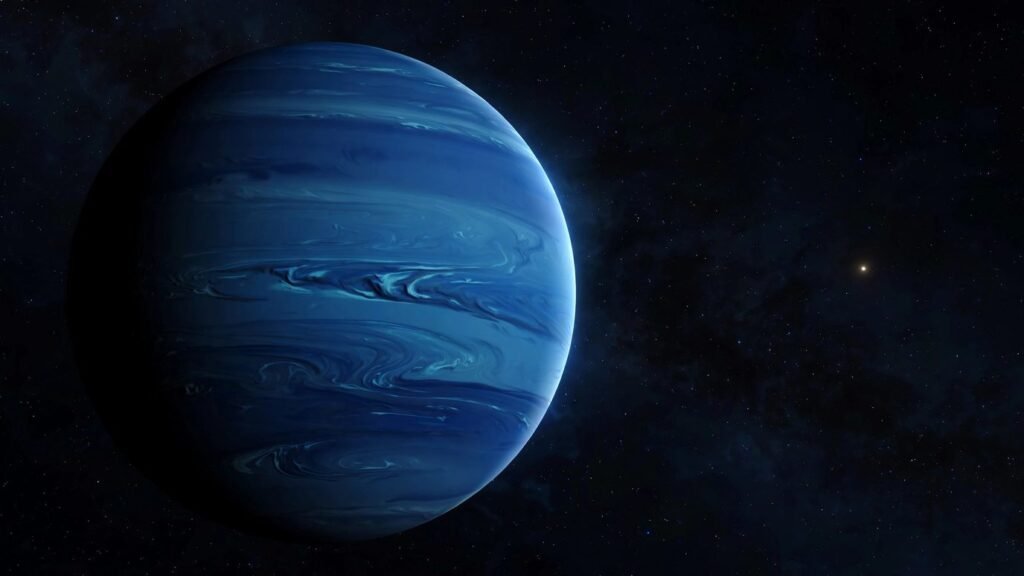
Neptune is the farthest planet from the Sun, orbiting about 4.5 billion kilometres away. Here is why Pluto does not count anymore, and what makes this deep-blue world so strange.
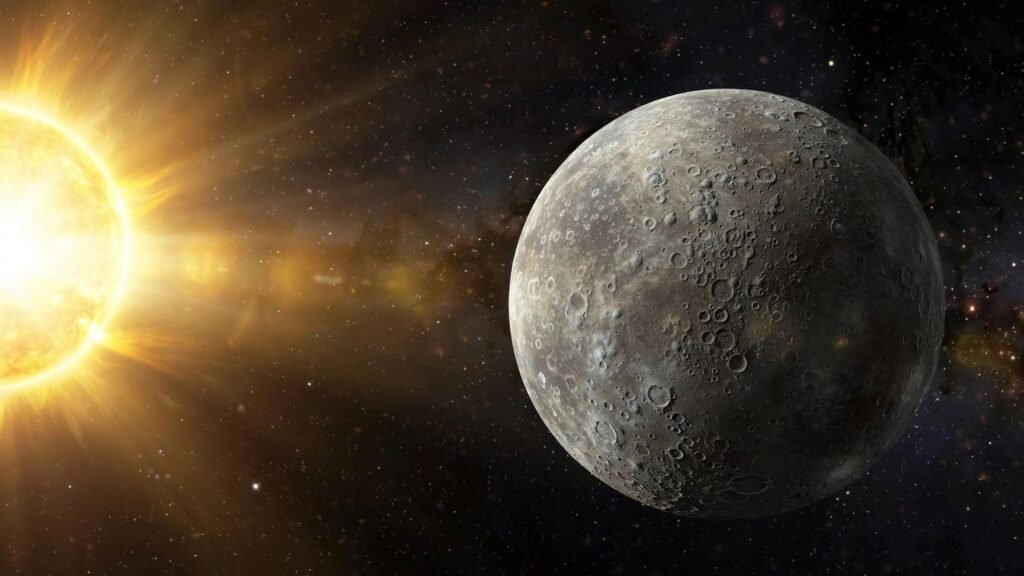
Mercury sits closer to the Sun than any other planet, yet it is not the hottest world in our solar system. Here is why that surprising fact makes perfect sense.
Mercury is the smallest planet in the solar system, only slightly larger than Earth's Moon. This guide explains just how small it is, why Pluto doesn't count, and what makes this tiny, cratered world so fascinating.
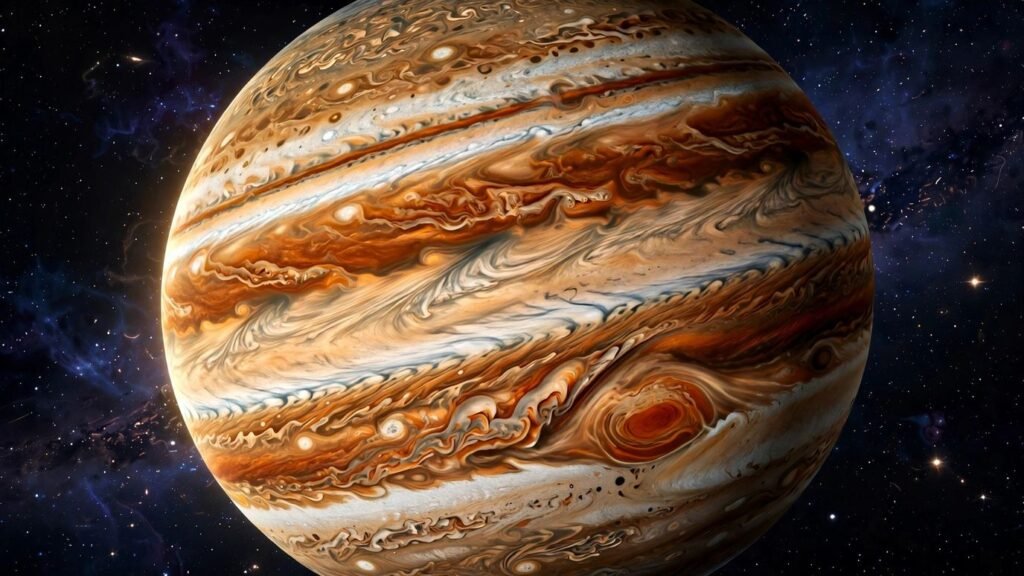
Jupiter is the biggest planet in the solar system, dwarfing every other world in size and mass. Here is how it earned that title, what it is made of, and how you can spot it yourself.
Pluto was the ninth planet for 76 years — until a new definition in 2006 moved it into a different category. Here is what actually happened, why it happened, and why the debate has never fully gone away.