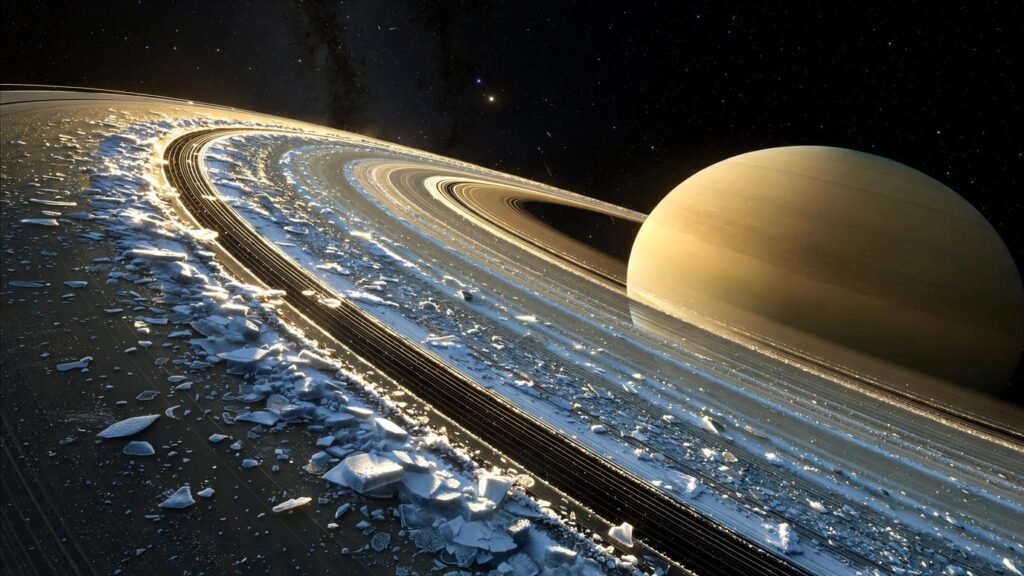
Which Planet Has the Largest Rings? Saturn Explained
Saturn's rings span roughly 280,000 kilometres across yet are only tens of metres thick — the largest, brightest ring system of any planet.
October 29, 2026
Read Guide
Explore our collection of authoritative, peer-referenced guides covering space science, planetary geology, stellar death, black holes, stargazing field manuals, and telescope optics.
Saturn's rings span roughly 280,000 kilometres across yet are only tens of metres thick — the largest, brightest ring system of any planet.
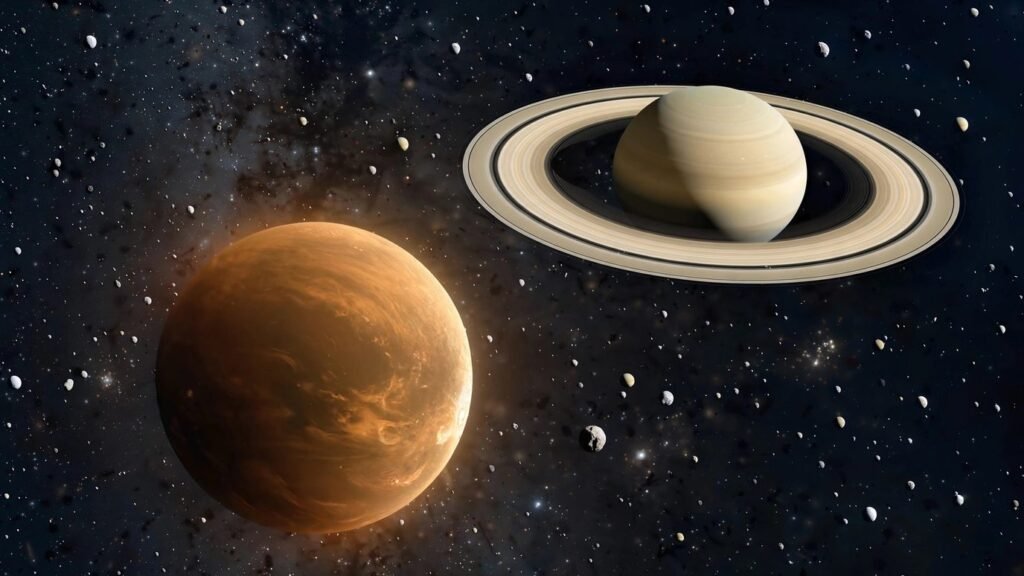
Saturn holds the record for the most moons of any planet, with 293 confirmed moons as of June 2026 — far ahead of Jupiter's 95.
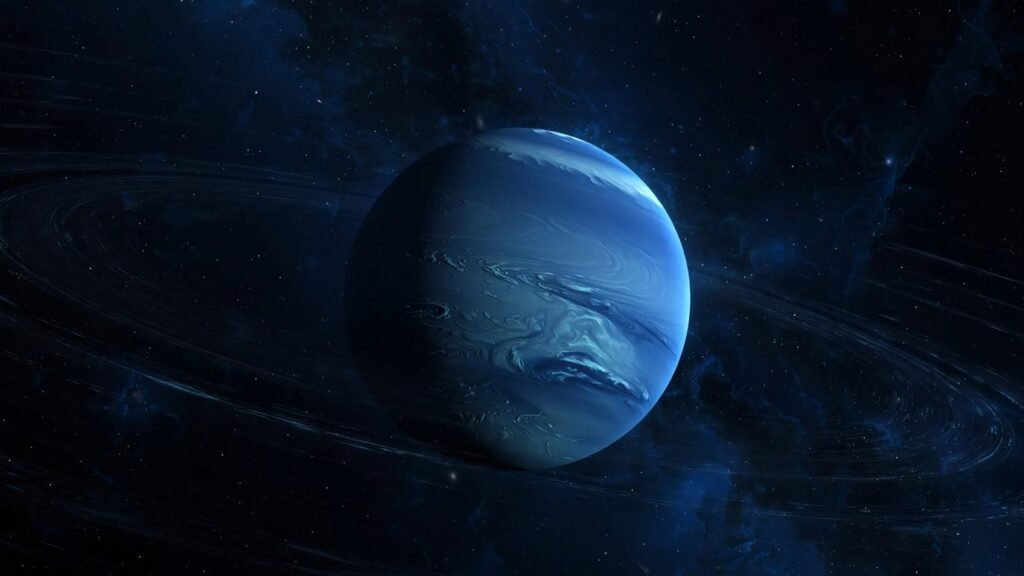
Neptune is the coldest planet on average, but Uranus holds the record for the lowest temperature ever measured in a planetary atmosphere. Here is why both answers are true.
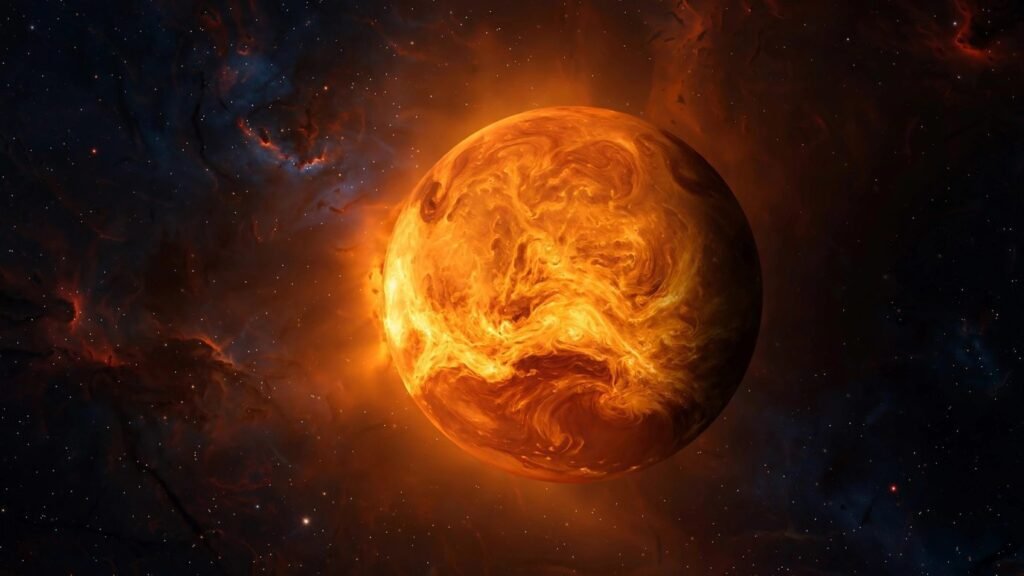
Mercury sits closest to the Sun, yet Venus holds the record for the hottest planet in the solar system. Its thick carbon dioxide atmosphere traps heat in a runaway greenhouse effect that never lets up.
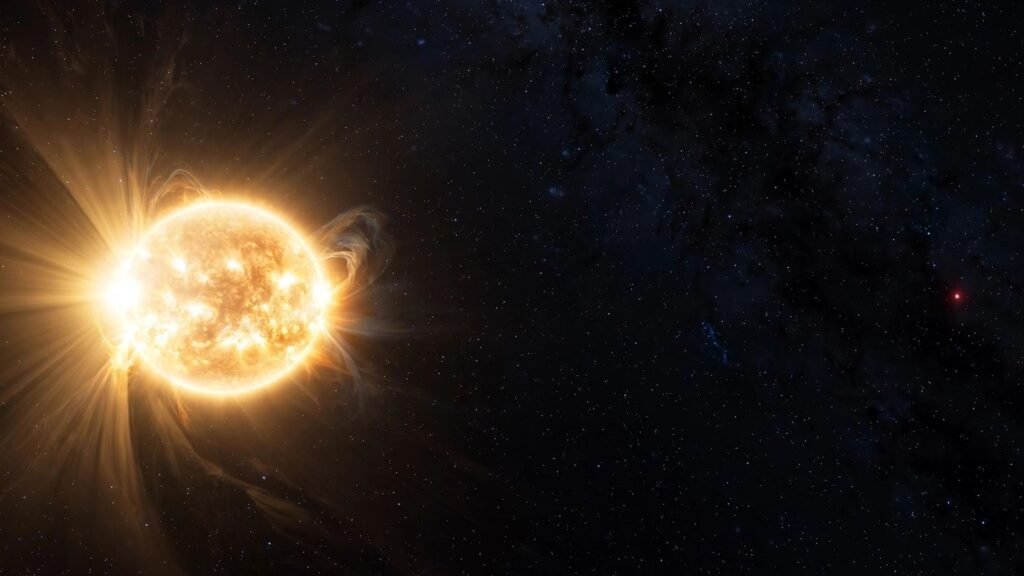
The nearest star is far closer than you think — and far farther than you can imagine. Here's the real distance, in light-years, kilometres, and plain English, plus how astronomers measured it.
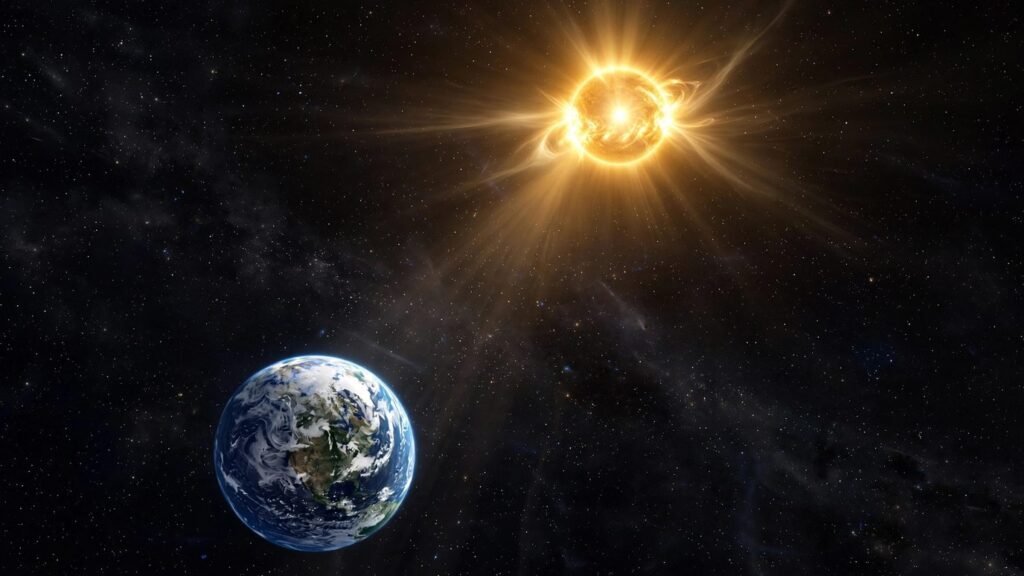
The closest star to Earth is the Sun, just eight light-minutes away. The next closest, Proxima Centauri, sits more than four light-years off — a gap that changes everything about how we see the night sky.
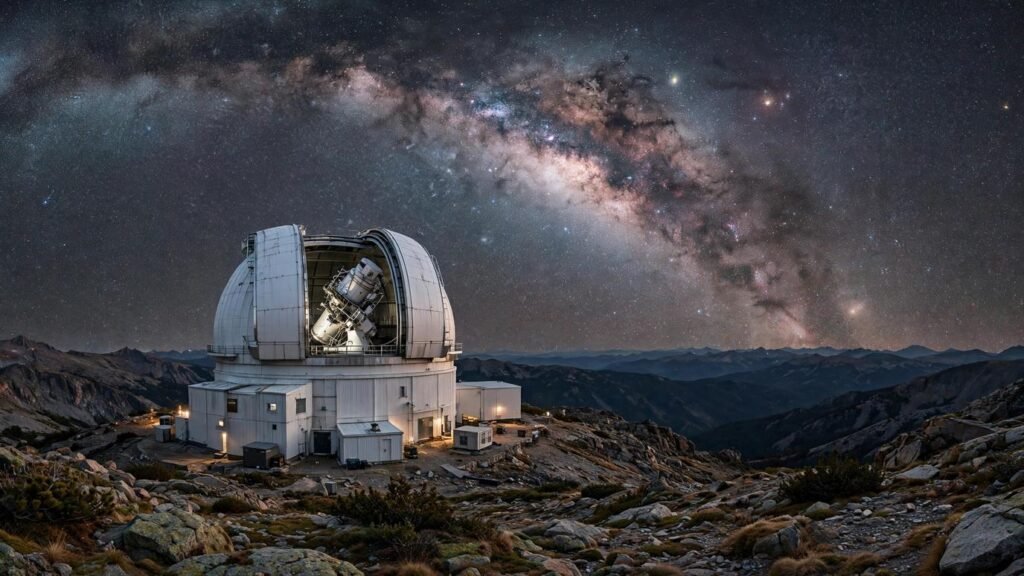
A telescope has no single maximum distance. What it can show you depends on its aperture, the brightness of the object, and the darkness of your sky — from millions to billions of light-years away.
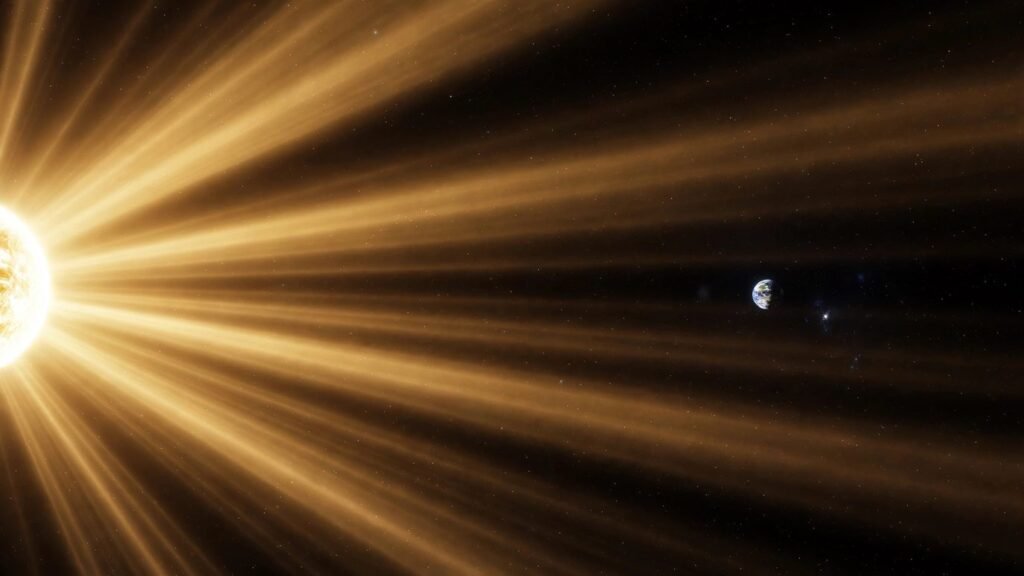
Sunlight takes about 8 minutes and 20 seconds to reach Earth, moonlight about 1.3 seconds, and starlight years or even centuries. This guide explains why, in plain language.
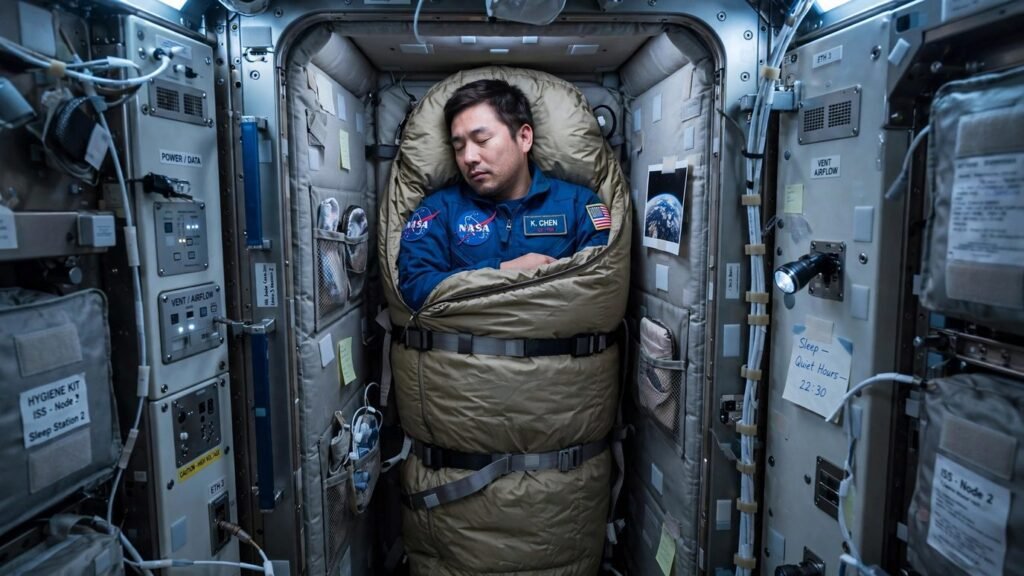
Astronauts sleep in strapped-in sleeping bags inside small private quarters on the International Space Station, following a strict daily schedule that keeps their bodies on track despite constant sunrises and sunsets.
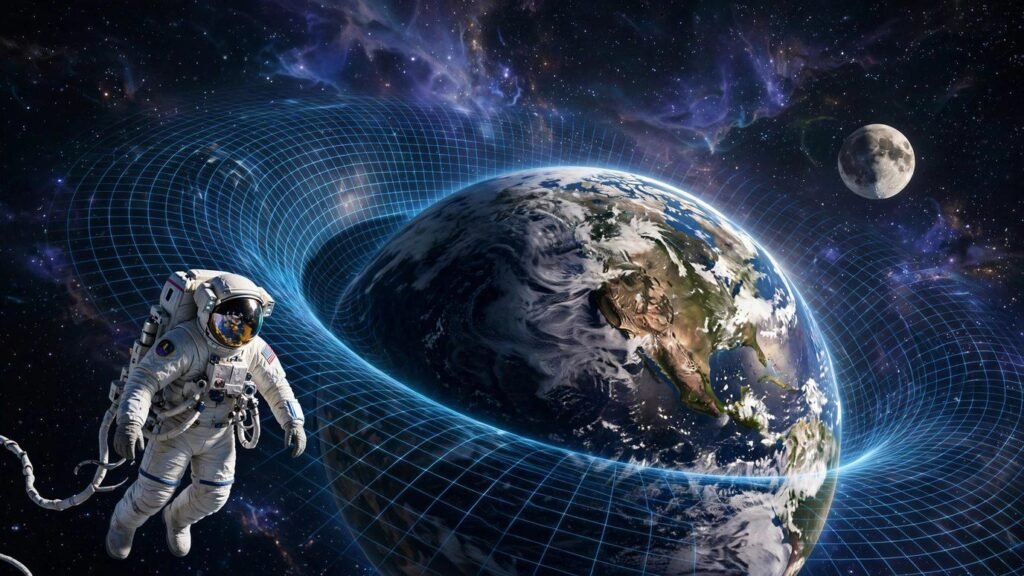
Gravity does not switch off when you leave Earth. It shapes orbits, tides, and even the paths of galaxies — and once you see how it really works, floating astronauts and falling moons suddenly make sense.